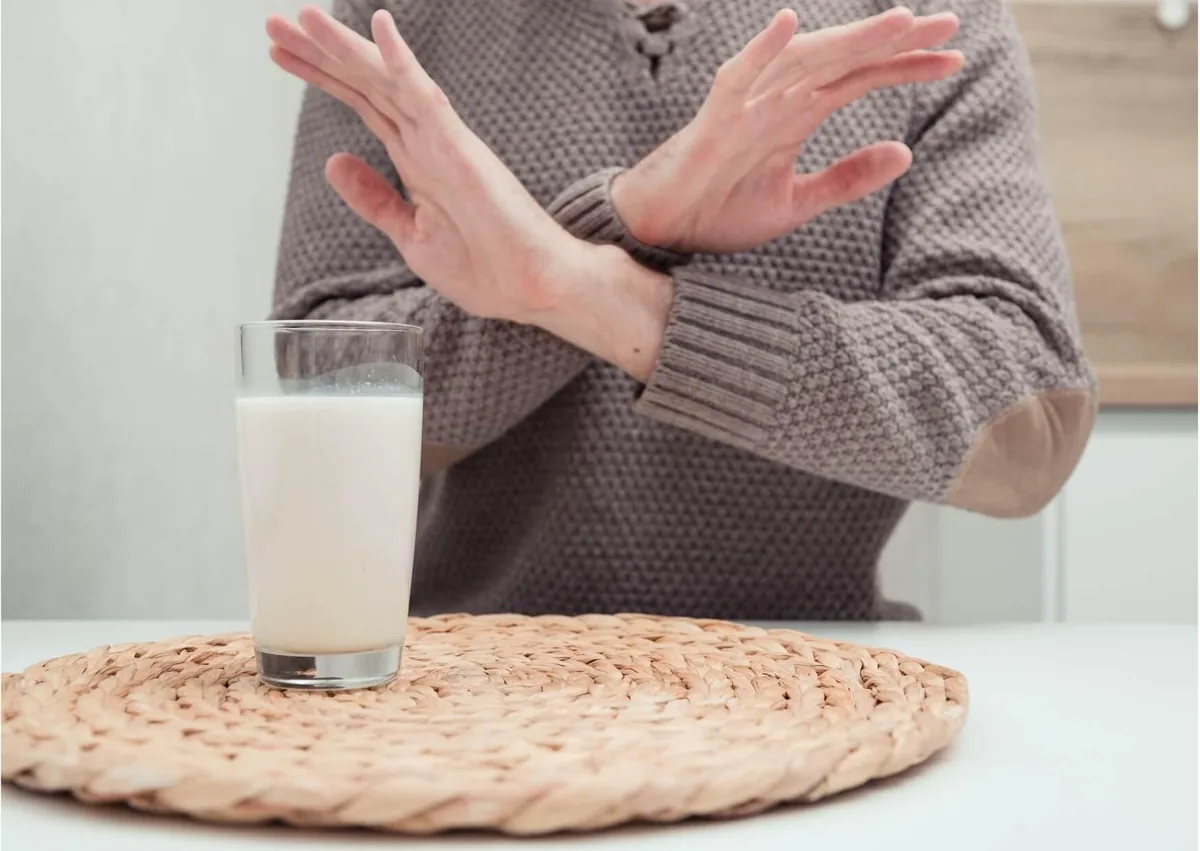
You may be told to avoid dairy for a short time after dental implant surgery, but dairy usually does not interfere with implant healing itself. In most cases, the restriction is related to nausea after sedation, medication instructions, or the texture and temperature of certain foods rather than milk or dairy alone.
If you're wondering whether food choices could affect healing, learning about dental implants can help you understand the procedure and the recovery process. Elmtree Family Dental in Columbia, SC provides guidance on implant treatment, comfort, and aftercare so you know what to expect.
One common reason is nausea after anesthesia or sedation. Rich dairy foods can feel heavy on the stomach, and vomiting after oral surgery can increase discomfort, pressure, and bleeding around the surgical site.
If your procedure involved medication or calming options, your dentist may review aftercare instructions related to sedation dentistry. If you had IV sedation, follow the diet instructions your treatment team gave you.
Another reason is medication timing. Calcium in dairy can affect absorption of some drugs, so it is important to follow the label directions and your dentist's instructions rather than assuming dairy is always off-limits based on a general rule. The Mayo Clinic notes that calcium can affect certain medication interactions.
Texture and temperature also matter. Very hot foods may encourage bleeding, while hard cheese or dairy products with nuts, granola, seeds, or fruit pieces can irritate the area or get trapped near the implant site.
If your dentist has not restricted dairy and you are not nauseated, smooth dairy foods may fit well into a soft-food diet. Plain yogurt, cottage cheese, or a cool milk-based drink may be reasonable choices if they do not irritate the area.
Available research on oral wound healing does not show that normal postoperative dairy intake automatically harms healing. That means dairy is often acceptable unless your specific aftercare instructions say otherwise.
Choose smooth options without crunchy mix-ins. Try to keep food away from the surgical site as much as possible while chewing.
Avoid using a straw for milkshakes, smoothies, or other drinks unless your dentist says it is safe. Suction can dislodge a clot, especially if you also had an extraction or bone graft.
For the first day, or for as long as your dentist recommends, stick with cool or lukewarm foods that need very little chewing. Good options may include applesauce, mashed potatoes, scrambled eggs, cooled oatmeal, blended soup, and smooth yogurt if dairy is allowed.
Chew on the opposite side of your mouth when possible. Avoid hard, sticky, spicy, acidic, or very hot foods while the area is tender.
Do not poke the site with fingers, utensils, or your tongue. Follow your dentist's instructions for brushing, rinsing, and caring for any temporary tooth or healing cap.
If dairy is restricted, you can still focus on hydration and protein. Soft eggs, tofu, smooth bean puree, or a nondairy drink without hard particles may work well if they also fit your medication instructions.
Mild swelling, tenderness, light bruising, and a little blood-tinged saliva are common during the first few days. Symptoms should gradually improve rather than become more intense.
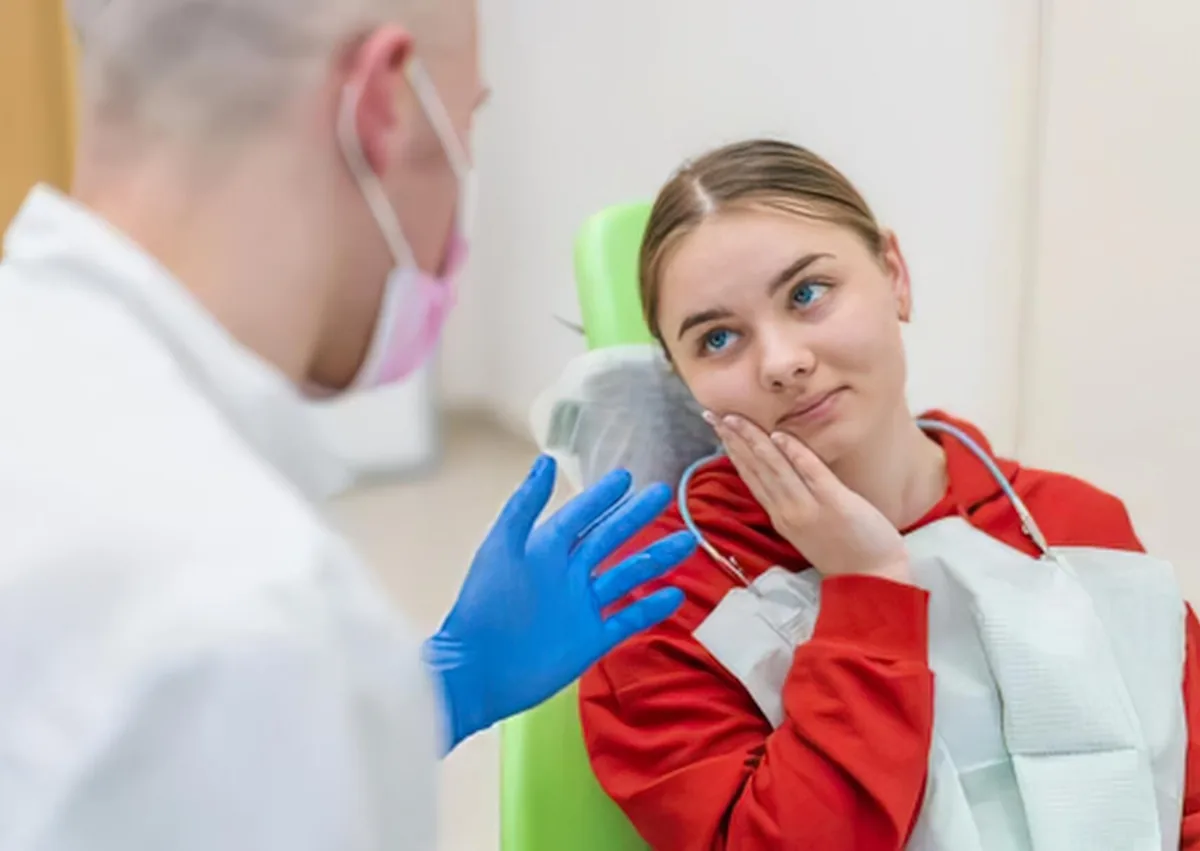
Call your dental office if pain or swelling gets worse after first improving. You should also contact your dentist if bleeding does not slow, you have persistent vomiting, you notice a bad taste or drainage, or you develop fever or trouble eating and drinking.
Also call if the implant, healing cap, or temporary tooth feels loose. If you think you may need urgent help, contact your dental office or seek emergency dental care.
Seek urgent medical care right away for trouble breathing or swallowing, rapidly increasing swelling, heavy uncontrolled bleeding, confusion, or signs of a severe allergic reaction. If you are unsure about food or medication restrictions, check with your treating dentist or pharmacist before changing your diet.
For problems or questions about healing after implant placement, arrange a focused check so the team can assess the site and adjust care as needed. Elmtree Family Dental offers dental implants in Columbia, SC and nearby West Columbia and Cayce; call (803) 783-9900 to schedule or ask about same-day availability.
No clear evidence shows that ordinary dairy products directly cause an implant infection. Infection risk is more closely related to bacteria, oral hygiene, smoking, certain health conditions, and how the surgical site heals.
That depends on why your dentist restricted it. Some people only need to avoid dairy on the day of surgery, while others may need to avoid it longer because of nausea, sedation recovery, or medication instructions.
Often, yes, if your dentist allows dairy. Choose smooth, cool yogurt without seeds, nuts, granola, or fruit chunks.
Possibly, if dairy is allowed and it does not upset your stomach. Do not drink it through a straw unless your dentist says it is safe.
Follow the instructions from the clinician who performed your procedure. That guidance is based on your implant location, whether grafting or extraction was done, your medical history, and your medications.

| Monday | 8:00 AM – 5:00 PM |
| Tuesday | 8:00 AM – 5:00 PM |
| Wednesday | 8:00 AM – 5:00 PM |
| Thursday | 8:00 AM – 5:00 PM |
| Friday | Closed |
| Saturday | Closed |
| Sunday | Closed |