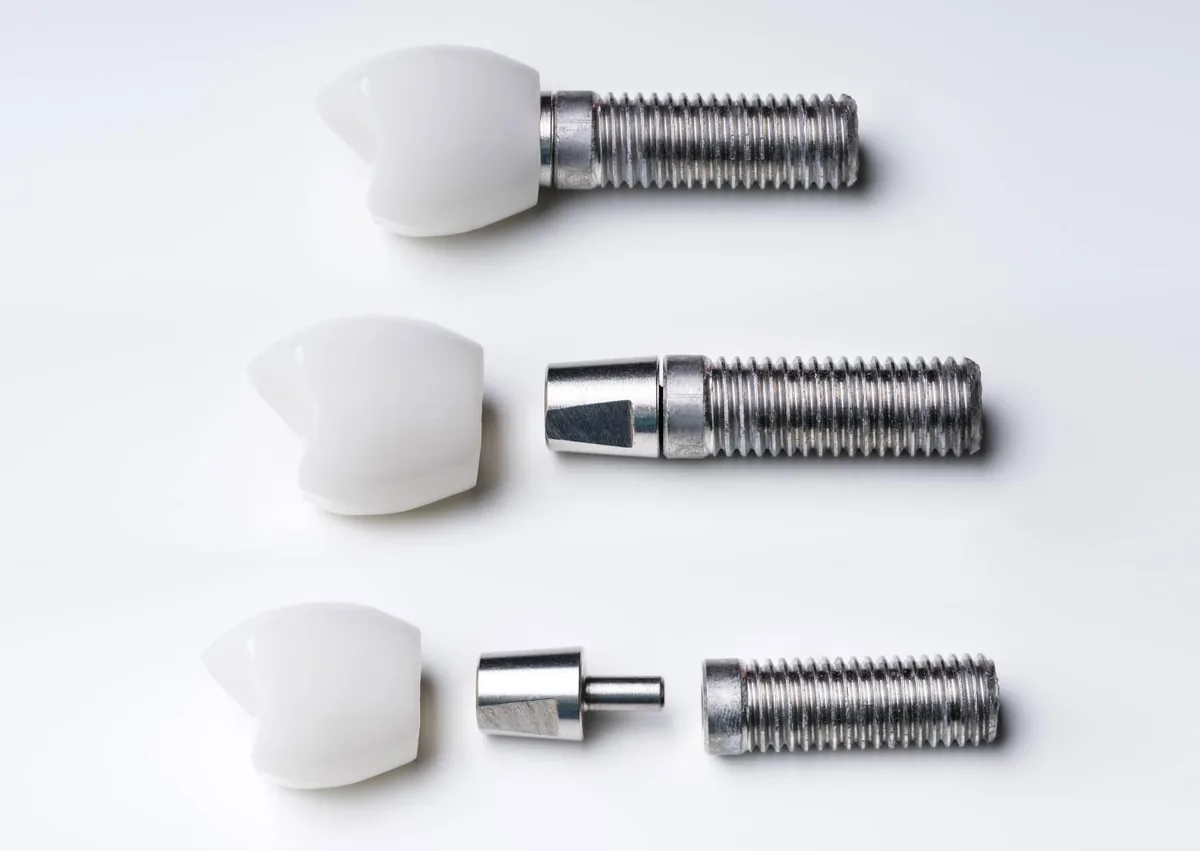
If you are worried about the price of replacing one missing tooth, the single tooth implant cost in the United States usually falls between $3,000 and $7,000. That total often includes the implant post, the abutment, and the crown, but your final cost can be higher if you need imaging, an extraction, bone grafting, sedation, or other preparatory care.
If you’re weighing whether a single tooth implant is the right long-term solution for a missing or failing tooth, a focused dental implant consultation can clarify candidacy, timing, and likely costs. Elmtree Family Dental in Columbia, SC provides personalized implant reviews that outline each stage and expected fees so you know what to expect.
A single implant replaces both the missing root and the visible tooth. In most cases, treatment includes a post placed in the jawbone, an abutment that connects the parts, and a custom crown.
|
Treatment Component |
Purpose |
Common Pricing Issue |
|---|---|---|
|
Consultation and imaging |
Evaluates bone, nerves, gums, and nearby teeth |
3D imaging may be billed separately |
|
Implant placement |
Positions the post in the jawbone |
Sedation dentistry may add cost |
|
Abutment |
Connects the implant to the crown |
May be bundled with another stage |
|
Implant crown |
Replaces the visible tooth |
Material and customization affect price; see dental crowns |
|
Follow-up care |
Checks healing and final fit |
Included by some offices, separate at others |
Low advertised prices sometimes cover only the implant post. Ask whether the quote includes imaging, anesthesia, the abutment, the crown, a temporary tooth, follow-up visits, and routine post-op care. For broader pricing context, see our guide to the cost of dental implants.
One of the most common reasons cost goes up is bone loss. If the jawbone is too thin or too short to support an implant securely, your dentist may recommend bone grafting, and some upper back teeth may need a sinus lift.
If the damaged tooth is still present, it may need to be removed first. Ask about tooth extractions and whether the extraction and implant can be done the same day or need to be staged.
Some patients can have immediate implant placement after extraction. Others need healing time first because of infection, bone loss, or anatomy near a nerve or sinus.
Fees also vary based on the clinician’s training, local overhead, the implant system used, lab costs, crown material, and whether sedation is needed. Front-tooth implants can cost more because even small differences in shape or gum contour are easy to see.
An implant usually costs more upfront than a bridge or removable partial denture. However, it does not rely on neighboring teeth for support and may help preserve bone where the tooth was lost.
If you are comparing larger treatment plans, see our guide to full mouth dental implants cost.
|
Option |
Main Advantage |
Important Tradeoff |
|---|---|---|
|
Single implant and crown |
Independent, fixed replacement that functions much like a natural tooth |
Higher upfront cost and several months of treatment may be needed |
|
Conventional dental bridge |
Fixed option that may be completed faster |
Neighboring teeth usually must be reshaped |
|
Removable partial denture |
Often lower initial cost and can replace several teeth |
Removable, may shift during use, and may need adjustment |
|
No replacement |
No immediate procedure or restoration expense |
Teeth may shift, chewing may change, and bone can shrink |
The lowest initial price is not always the lowest long-term cost. Compare expected lifespan, maintenance, repair needs, and the effect on nearby teeth before deciding.
Dental insurance coverage for implants varies widely. Some plans help pay for the crown, extraction, or graft but exclude the implant itself.
Annual maximums, waiting periods, missing-tooth clauses, and network rules can all affect what you actually pay. A pre-treatment estimate can help, but it is not a guarantee of payment.
Medical insurance may contribute in limited cases involving trauma, tumors, or medically necessary reconstruction. Most routine implant treatment is handled through dental benefits instead.
You may also be able to use HSA or FSA funds for eligible implant expenses. Some offices offer payment plans or third-party financing, but it is smart to review the total repayment amount, not just the monthly payment.

A single implant often takes several months from evaluation to final crown. Much of that time is for healing while the bone bonds to the implant in a process called osseointegration.
Healing time varies based on bone quality, implant location, grafting, overall health, and nicotine or tobacco use. Your dentist can give you a more realistic timeline after reviewing imaging and your oral health.
Most patients have implant placement with local anesthetic. Mild soreness, swelling, and temporary diet changes are common for a few days after surgery.
Follow your dentist’s instructions for cleaning, eating, activity, and follow-up visits. For practical recovery guidance, see our article on care after dental implant.
Implants do not get cavities, but the gums and bone around them can still become inflamed or infected. Daily brushing, cleaning between teeth, and regular dental visits are important for long-term success.
Problems are more likely when plaque builds up or when risk factors such as smoking, uncontrolled diabetes, or a history of gum disease are present. Good maintenance helps protect both the implant and the surrounding bone.
It is also important to understand that the crown may need repair or replacement before the implant post does. When comparing costs, ask about expected maintenance over time, not just the initial procedure fee.
Schedule an evaluation if you have already lost a tooth or have one that may not be savable. Early planning can help preserve bone and may expand your treatment options.
An implant evaluation usually includes a health review, gum assessment, bite analysis, and imaging. Your dentist should also explain alternatives such as a bridge or partial denture.
After implant surgery, contact the treating office if pain or swelling gets worse instead of better, bleeding continues, fever develops, pus appears, numbness starts, or the implant or temporary tooth feels loose. Seek urgent medical care for trouble breathing, trouble swallowing, rapidly spreading swelling, or uncontrolled bleeding.
Treatment should be individualized if the reason for tooth loss is unclear or if healing may be affected by active gum disease or poorly controlled diabetes. A detailed exam and itemized estimate are the best ways to understand candidacy, timing, alternatives, and total cost.
To move from estimates to a personalized treatment plan, arrange a consult to review imaging, timelines, and payment options tailored to your needs. Contact Elmtree Family Dental for dental implants in Columbia, SC and nearby Forest Acres, SC; call (803) 783-9900 to schedule or request an appointment online.
Without insurance, the combined implant, abutment, and crown often costs about $3,000 to $7,000 in the United States. Extraction, grafting, sedation, advanced imaging, and temporary restorations can increase the total.
Some quotes list only the implant post, while others include the full restoration and follow-up care. Regional costs, case complexity, clinician training, lab fees, materials, and preparatory procedures also create major price differences.
Some plans pay for part of treatment, while others exclude implants or apply strict annual limits. Ask for a written pre-treatment estimate and confirm benefits directly with your insurer before relying on expected coverage.
No. A bone graft is recommended only when there is not enough healthy bone to support the implant predictably.
The implant post can last many years and sometimes decades with healthy gums, good home care, and regular professional maintenance. The crown may need replacement sooner because of wear, chipping, or loosening.
| Monday | 8:00 AM – 5:00 PM |
| Tuesday | 8:00 AM – 5:00 PM |
| Wednesday | 8:00 AM – 5:00 PM |
| Thursday | 8:00 AM – 5:00 PM |
| Friday | Closed |
| Saturday | Closed |
| Sunday | Closed |