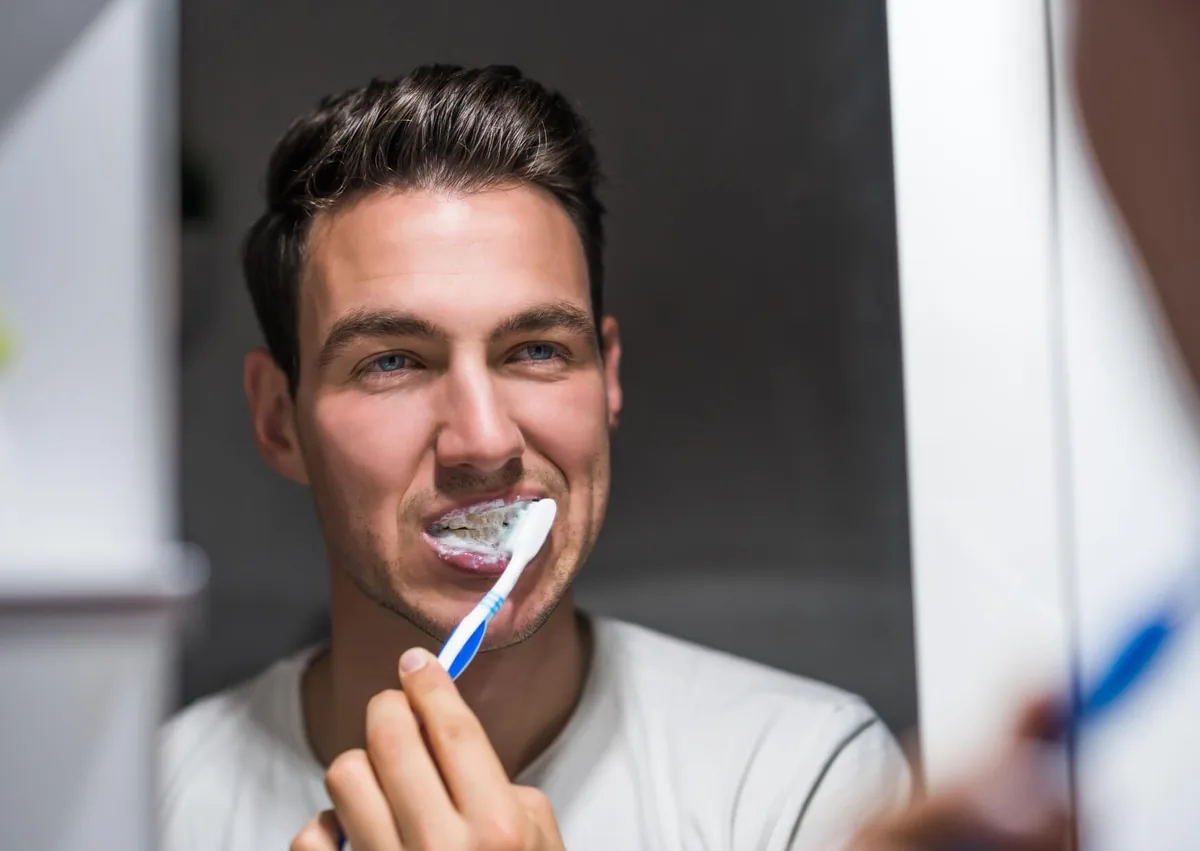
The best way to prevent cavities is to brush twice a day with fluoride toothpaste, clean between your teeth daily, limit frequent sugar exposure, and keep up with preventive dentistry. These steps lower harmful plaque bacteria, help enamel recover after acid attacks, and make it easier to catch early decay before it turns into pain or a larger repair.
If you're focusing on daily habits to stop cavities and keep small problems from growing, preventive dentistry can help tailor those steps to your needs. At Elmtree Family Dental in Columbia, SC, we provide personalized preventive care that reduces future treatments and protects your smile.
Cavities start when bacteria in plaque feed on sugars and other fermentable carbohydrates from food and drinks. As they break those foods down, they produce acids that pull minerals out of enamel, the tooth's hard outer layer.
Saliva and fluoride can help replace some of those lost minerals. But when acid attacks happen too often, enamel can weaken enough to form a permanent hole, which is a cavity.
Early decay may not cause symptoms. As it worsens, you may notice sensitivity to sweets, cold, or heat, followed by pain, discoloration, or a visible hole. For more detail on timing, see how long cavities form.
Brush for two minutes twice a day with a soft-bristled toothbrush and fluoride toothpaste accepted by the American Dental Association. Fluoride helps enamel resist acid and supports repair in the earliest stage of mineral loss.
Aim the bristles toward the gumline and clean every surface of each tooth without scrubbing hard. Spit out the extra toothpaste after brushing, and avoid rinsing right away so fluoride stays on the teeth longer.
Clean between teeth once a day with floss, interdental brushes, or another device your dentist recommends. A toothbrush cannot reliably clean where teeth touch, which is a common place for cavities to start. Learn how to remove plaque more effectively.
Replace a toothbrush or brush head every three to four months, or sooner if the bristles fray. Children often need help or supervision until they can brush thoroughly on their own.
How often your teeth are exposed to sugar matters as much as how much sugar you eat. Sipping soda, juice, sports drinks, or sweetened coffee over hours gives plaque bacteria repeated chances to make acid.
Try to keep sugary foods and drinks to mealtimes, and choose water between meals. Frequent snacks such as crackers, chips, dried fruit, and sticky candy can also keep acid levels high because carbohydrates stay on the teeth.
Drinking fluoridated tap water can add protection if your community water supply contains fluoride. If bottled water is your main source, check the label because many brands contain little or no fluoride.
Sugar-free gum may help after meals by increasing saliva flow, especially if it contains xylitol. It can support your routine, but it does not replace brushing and cleaning between teeth.
Routine dental exams and cleanings help a dentist check your cavity risk, spot early mineral loss, and evaluate areas that are hard to see at home. How often you need visits depends on your cavity history, dry mouth, gum health, age, and other personal risk factors.
A fluoride treatment may help if you are more likely to develop decay. Dental sealants are thin coatings placed over deep grooves in back teeth and can reduce decay on chewing surfaces. They are often recommended for children and teenagers, though some adults may benefit too.
|
Preventive Measure |
Main Benefit |
Who May Need Extra Consideration |
|---|---|---|
|
Fluoride toothpaste |
Strengthens enamel daily |
Nearly everyone with natural teeth |
|
Interdental cleaning |
Removes plaque between teeth |
Anyone with tight contacts, braces, or dental work |
|
Fluoride treatment |
Provides concentrated protection |
People with frequent cavities or dry mouth |
|
Dental sealants |
Covers cavity-prone chewing grooves |
Children, teens, and selected adults |
X-rays are not needed at every visit for every patient. A dentist recommends them based on age, symptoms, past decay, exam findings, and whether hidden areas need to be checked.
Dry mouth increases cavity risk because saliva helps wash away food particles, neutralize acids, and return minerals to enamel. It can be caused by certain medications, medical conditions, dehydration, or head and neck radiation treatment.
Braces, removable appliances, exposed roots, deep grooves, and a history of cavities can also raise risk. Ask a dentist which cleaning tools or fluoride products fit your needs instead of starting a high-strength fluoride product on your own.
Infants and young children can also develop cavities. Avoid putting a child to bed with a bottle of milk, formula, juice, or another sweetened liquid, and start cleaning the teeth as soon as the first tooth appears.

Schedule a dental exam if you have ongoing sensitivity, pain when biting, a dark spot, a visible hole, a chipped tooth, or food that keeps catching in one area. A cavity cannot be brushed away once a true opening has formed, but early treatment can limit how much tooth structure is lost.
Seek urgent dental care for severe or quickly worsening pain, swelling in the face or jaw, fever with dental symptoms, pus, or trouble opening the mouth. Go to an emergency department if you have trouble breathing or swallowing, swelling spreading toward the eye or neck, or other signs of a serious infection.
Even without symptoms, preventive visits still matter because early decay may be painless. A dentist can estimate your risk and recommend an exam, cleaning, fluoride, sealant, or monitoring schedule that fits your teeth. If a true opening has formed, the tooth usually needs dental fillings.
To check for early decay and receive tailored protection, arrange an exam or professional cleaning so issues can be treated before they require fillings. Elmtree Family Dental focuses on preventive dentistry in Columbia and nearby Forest Acres; call (803) 783-9900 to schedule or book online.
Very early mineral loss that has not created a hole may sometimes be stopped or reversed with fluoride, better plaque removal, and diet changes. Once enamel has a physical opening, the tooth usually needs restorative dental treatment.
A fluoride mouthwash can add protection for some people, but it does not replace brushing or cleaning between teeth. Ask a dentist whether it is appropriate, especially for a young child who may swallow it.
Both manual and powered toothbrushes can clean well when used correctly for two minutes. A powered brush may help if you have limited dexterity, wear braces, or tend to rush brushing.
Cavities can still happen because of missed plaque between teeth, frequent sugar or acid exposure, dry mouth, low fluoride exposure, or the shape of your teeth. A dental exam can help identify the most likely causes and guide prevention.
| Monday | 8:00 AM – 5:00 PM |
| Tuesday | 8:00 AM – 5:00 PM |
| Wednesday | 8:00 AM – 5:00 PM |
| Thursday | 8:00 AM – 5:00 PM |
| Friday | Closed |
| Saturday | Closed |
| Sunday | Closed |