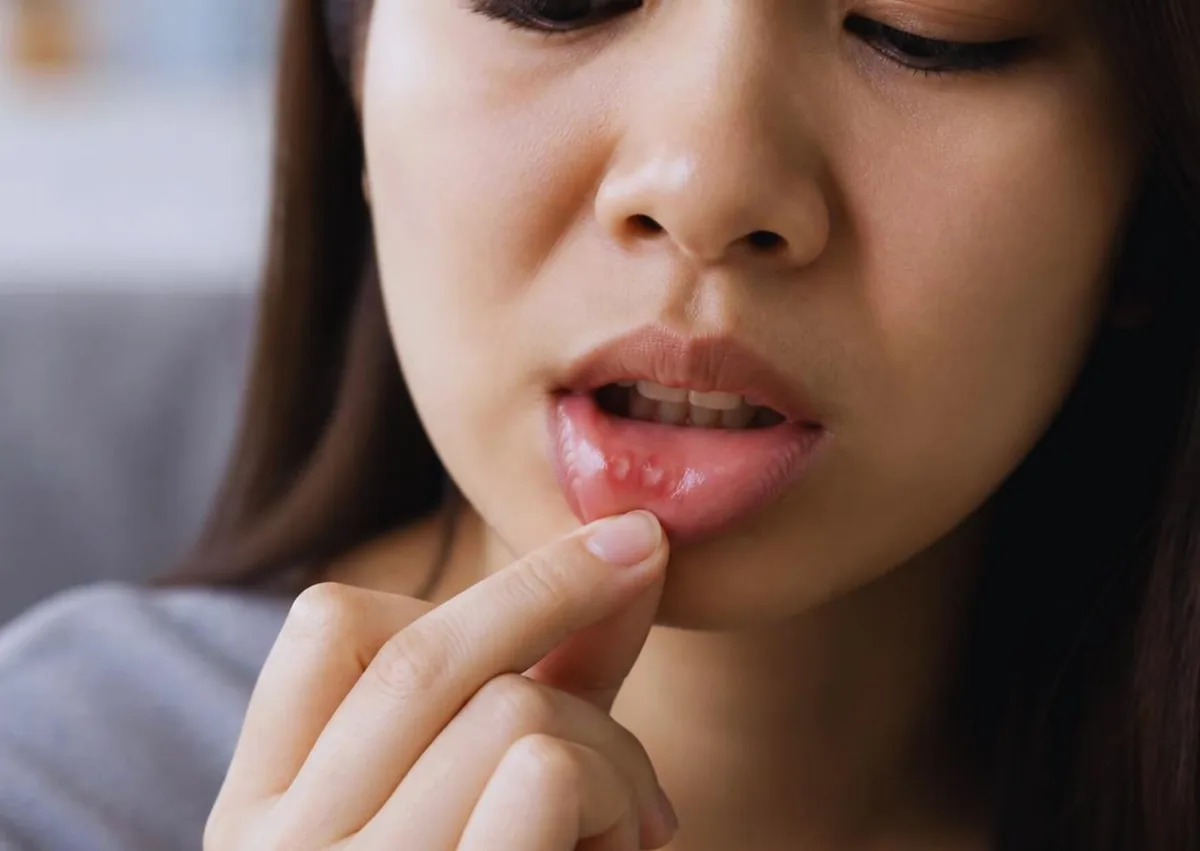
Most canker sores last 7 to 14 days and heal on their own without scarring. Pain often starts to ease within a few days, even if the sore stays visible a little longer. A sore that lasts more than two weeks, gets worse, or makes eating and drinking hard should be checked by a clinician and may require a dental exam.
If your canker sore lasts more than two weeks or is worsening, a dental exam can identify the cause and necessary treatment to relieve pain and protect oral health. Elmtree Family Dental in Columbia, SC can assess ulcers, check for irritating dental issues, and recommend the right care.
Canker sores, also called aphthous ulcers, are shallow sores that form inside the mouth. They are not contagious and usually appear on soft tissues such as the inner lips, cheeks, underside of the tongue, or soft palate.
|
Type |
Typical Features |
Expected Healing Time |
|---|---|---|
|
Minor |
Small, round or oval, with a red border |
About 7 to 14 days |
|
Major |
Larger, deeper, and often more painful |
Several weeks and may scar |
|
Herpetiform |
Clusters of many pinpoint sores that may merge |
About 1 to 2 weeks, sometimes longer |
Despite the name, herpetiform canker sores are not caused by the herpes virus. Large, deep, clustered, or slow-healing ulcers should be evaluated professionally.
A canker sore may start with tingling, burning, or tenderness before you can see it. It often develops a white, gray, or yellow center with a clear red border.
Pain is usually the worst during the first few days. As the sore heals, it should gradually shrink and feel less tender.
A canker sore forms inside the mouth and is different from a cold sore, which usually appears as blisters on or around the lips and is contagious. Still, not every mouth ulcer is a canker sore, so appearance alone does not always confirm the cause.
The exact cause is not always clear. Common triggers include accidentally biting the cheek, irritation from braces or a sharp tooth, stress, hormonal changes, and sensitivity to certain foods or toothpaste ingredients.
Low levels of iron, folate, vitamin B12, or zinc may play a role in recurring sores for some people. Frequent or severe ulcers can also be linked to immune conditions, gastrointestinal disease, or medication reactions.
Ongoing friction can slow healing. A sore may last longer if it keeps rubbing against a broken filling, rough tooth edge, denture, retainer, or orthodontic wire.
Most minor canker sores do not need a procedure. Supportive care can make them less painful while they heal.
Helpful steps include:
Do not place aspirin directly on the sore. It can damage the tissue and make irritation worse.
If a rough tooth or dental appliance is rubbing the area, a dentist can identify the source and address it safely. For severe, recurring, or larger sores, a dentist or medical clinician may recommend a prescription topical treatment to reduce pain and inflammation.
Not every outbreak can be prevented, but reducing triggers may help lower how often they happen. Keeping a simple record of foods, stress, oral injuries, and dental products can help you spot patterns.
Routine preventive care can help identify triggers, review oral hygiene habits, and reduce the risk of recurrent canker sores.
A varied diet, gentle oral hygiene, and correction of poorly fitting appliances or sharp dental surfaces may also help. If sores started after a medication change, contact the prescribing clinician rather than stopping the medicine on your own.
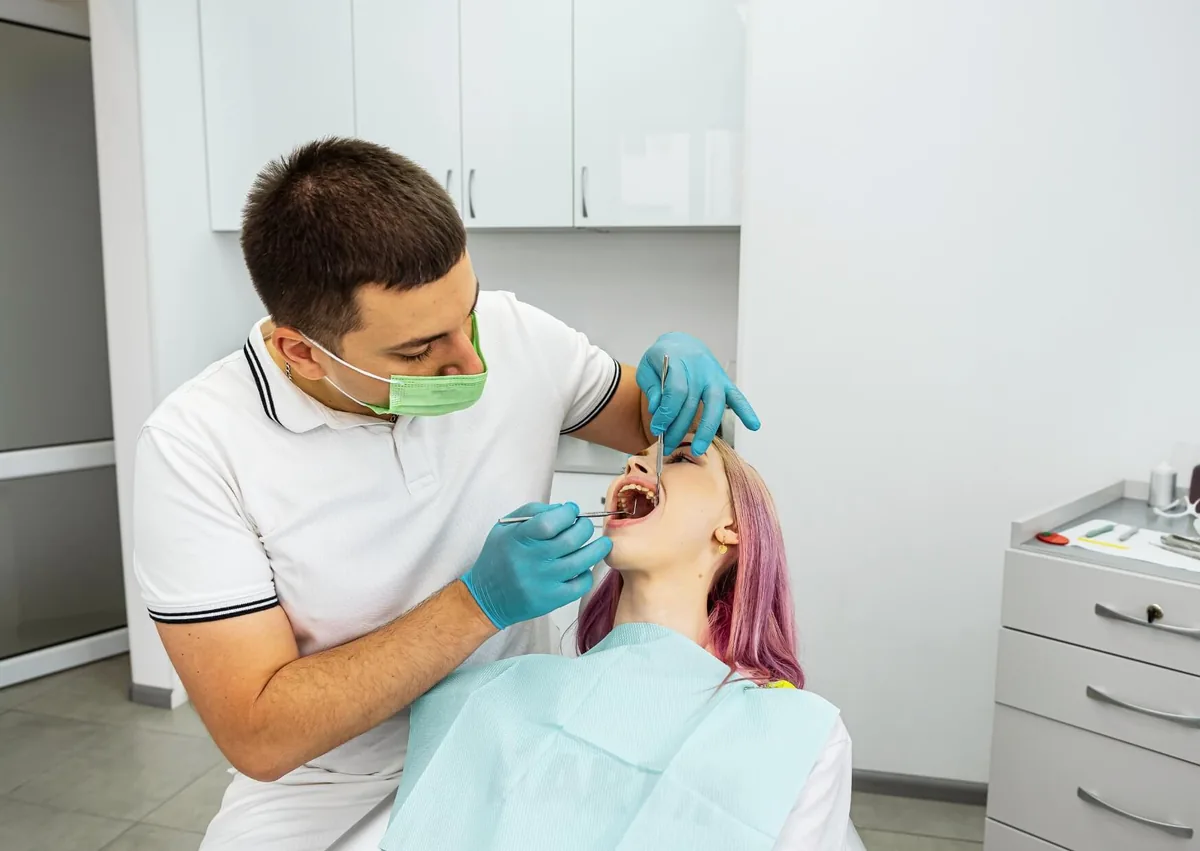
Arrange an evaluation if a mouth sore has not clearly improved within two weeks, keeps returning, is unusually large, spreads, or becomes more painful. You should also seek care if multiple sores develop or if the pain interferes with speaking, brushing, eating, or drinking.
Prompt medical care is important for fever, facial or neck swelling, a rapidly worsening sore, pus, severe weakness, eye symptoms, or signs of dehydration such as very dark urine or very little urination. Trouble breathing or swallowing requires emergency dental care or other emergency services.
A clinician may check for trauma, infection, medication effects, nutritional problems, or another oral condition. A persistent mouth ulcer should not automatically be assumed to be a canker sore.
If your sore hasn't improved within two weeks or is severe, arrange a dental exam so a clinician can evaluate the ulcer and address any irritating tooth or appliance. Call Elmtree Family Dental at (803) 783-9900 to arrange dental exams and cleanings in Columbia, SC and nearby Forest Acres, or use online scheduling for a same-day or next-available appointment.
No. Canker sores are not contagious and cannot be spread by kissing, sharing utensils, or other contact, although some contagious infections can look similar.
Yes. A minor canker sore may stay tender for several days and can take up to two weeks to fully disappear.
No. A canker sore is an ulcer, not a pimple or fluid-filled blister, so there is nothing to pop. Picking at it can increase irritation and delay healing.
Recurring sores may be related to stress, tissue injury, food triggers, nutritional deficiencies, medications, or an underlying health condition. A dentist or medical clinician can evaluate frequent outbreaks and decide whether more testing is needed.
| Monday | 8:00 AM – 5:00 PM |
| Tuesday | 8:00 AM – 5:00 PM |
| Wednesday | 8:00 AM – 5:00 PM |
| Thursday | 8:00 AM – 5:00 PM |
| Friday | Closed |
| Saturday | Closed |
| Sunday | Closed |