Out where the roads stretch a little longer and neighbors still ask after one another at the feed store, dental decisions often get talked about in plain terms. Not in glossy promises, but in the language of chewing, smiling in family photos, and making sure a small problem does not turn into a bigger one when the nearest specialist is a long drive away.
That is why conversations about dental implants tend to feel personal. A missing tooth is never just a missing tooth. It can change the way food feels, the way speech sounds, and the way a person carries a quiet kind of self-consciousness through ordinary days.
In practice, the question is rarely whether implants are good or bad. The better question is whether they make sense for a particular mouth, a particular budget, a particular medical history, and a particular season of life. For some patients, implants are the most stable and natural-feeling option available. For others, another treatment may be safer, simpler, or more realistic.
This guide walks through the real advantages and drawbacks, what the process usually involves, who may be a good candidate, and when it is worth getting a careful dental evaluation rather than guessing from symptoms or advertisements.
At Elmtree Family Dental, patients receive guidance that focuses on practical, individualized care. Our team works with individuals and families throughout Columbia, SC to explain dental implant options clearly and help patients understand what to expect throughout the process.
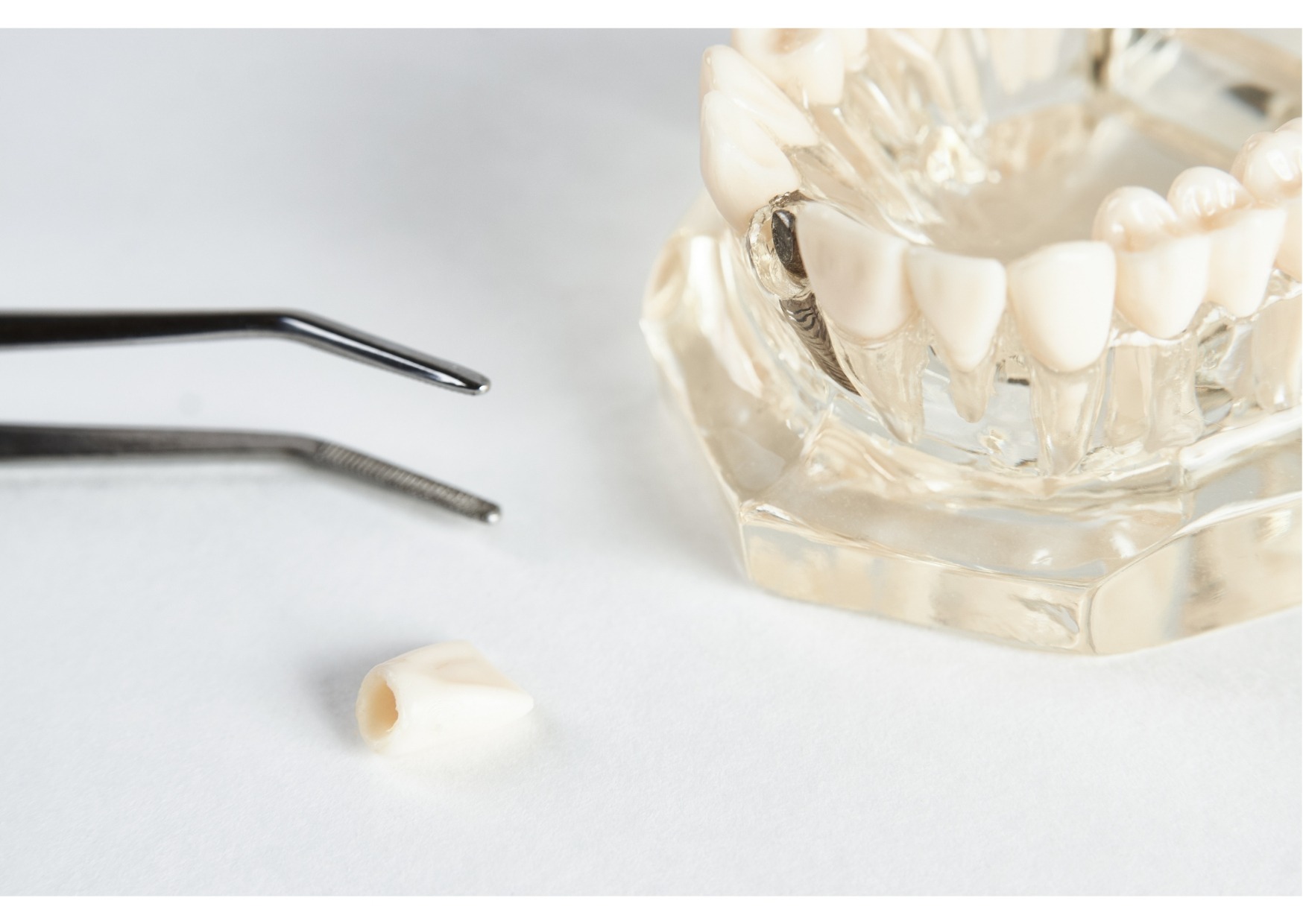
A dental implant is a small post, usually made of titanium or a similar biocompatible material, that is placed in the jawbone to act like an artificial tooth root. After healing, a connector piece and a custom crown are attached so the replacement tooth sits above the gumline and functions more like a natural tooth.
The key idea is support from the bone rather than support from neighboring teeth or a removable appliance. That is what makes implants different from a traditional bridge, which relies on adjacent teeth, and different from a denture, which rests on the gums.
Dentists often use the term osseointegration when explaining implants. That simply means the bone heals tightly around the implant surface, creating a stable foundation over time. When that healing goes well, the result can feel secure and predictable in daily life.
For the right patient, implants can offer a kind of steadiness that is hard to match. They often restore biting function more effectively than removable options, and many people appreciate that they do not shift during meals or conversation.
One of the biggest advantages is that implants replace a missing tooth without depending on neighboring teeth for support. That matters in mouths where the adjacent teeth are healthy and do not need crowns. From a long-term planning standpoint, preserving healthy tooth structure is often a meaningful benefit.
Appearance matters too, and it is reasonable to say so. A well-planned implant crown can blend naturally with the smile, support the lips and cheeks in a balanced way, and help speech feel more normal again. In everyday life, that can mean eating corn on the cob at a summer gathering or laughing without thinking first about the gap.
The cons are real, and they deserve equal attention. Implants usually cost more than other tooth replacement options, especially when imaging, bone grafting, extractions, or specialist care are needed. For many families, that financial reality is not a side note. It is the deciding factor.
Implants also involve surgery. Even when placement is routine, it is still a surgical procedure with healing time, follow-up visits, and possible complications. Some patients do very well with that process. Others may prefer a less invasive option because of medical conditions, anxiety, transportation limits, or work schedules that make repeated visits difficult.
Time is another drawback. In some cases, an implant can be placed relatively quickly after tooth loss. In others, the site needs to heal first, or the bone needs grafting before an implant is even possible. The full process may take months rather than weeks.
There is also no honest way to discuss implants without mentioning peri-implant disease and implant failure. Failure means the implant does not integrate well enough with bone or later loses stability. Peri-implant disease refers to inflammation and, in more advanced cases, bone loss around an implant.
These problems are not inevitable, but they can happen, especially when plaque control is poor, smoking is involved, or the bite places excessive force on the implant.
A good implant candidate usually has healthy gums, enough bone to support the implant, and a mouth that can be maintained cleanly over time. Good candidates also tend to have realistic expectations about cost, healing, and the need for follow-up care.
That said, candidacy is not always obvious from the outside. A patient may look like a straightforward case and still have hidden issues such as bone loss, untreated gum disease, a cracked neighboring tooth, or heavy grinding at night. This is where a proper dental exam and imaging matter more than internet checklists.
Medical history matters too. Conditions that affect healing, immune response, or bone metabolism may influence timing and risk. Tobacco use can also lower success rates and raise the chance of complications. None of this automatically rules implants out, but it does change the conversation and may make careful planning more important.
Sometimes the best dentistry is not the most high-tech option. If gum disease is active, if oral hygiene is difficult to maintain, or if the budget does not allow for a staged surgical treatment, another plan may be more sensible.
A bridge may be reasonable when neighboring teeth already need crowns. A removable partial denture may be a practical option when several teeth are missing and surgery is not appealing. In some cases, the right first step is simply stabilizing the mouth by treating decay, infection, or periodontal disease before discussing replacement at all.
This is especially true in real life, where treatment plans have to fit around harvest season, caregiving, school schedules, and the plain fact that not every family can absorb a large unexpected expense. Good dentistry should respect those realities rather than pretend they do not exist.
| Option | Main Advantages | Main Drawbacks | Often Best For |
| Dental implant | Feels stable, does not depend on adjacent teeth, supports a fixed replacement | Higher cost, surgery required, longer treatment timeline | Single missing teeth or selected multiple-tooth replacement cases |
| Dental bridge | Faster than many implant cases, no implant surgery | Usually involves preparing neighboring teeth, does not replace the root in bone | Patients needing a fixed option when adjacent teeth already need crowns |
| Removable partial denture | Lower upfront cost, non-surgical, can replace multiple teeth | May feel less stable, may affect speech or comfort, requires removal for cleaning | Patients seeking a practical non-surgical option |
| Full denture or implant-supported denture | Replaces many or all teeth, can improve function significantly | Adjustment period, maintenance needs, cost varies widely | Patients missing most or all teeth |
No table can make the decision for a patient, but it can clarify the tradeoffs. The best choice is usually the one that balances biology, function, maintenance, and what a person can realistically live with over the long haul.
The process usually starts with an exam, dental X-rays, and often 3D imaging to assess bone and nearby structures such as nerves and the sinus. If the tooth is still present but cannot be saved, the dentist will discuss extraction timing and whether implant placement should happen immediately or after healing.
If the site is suitable, the implant is placed into the jawbone during a surgical visit. Healing then takes time while the bone bonds to the implant. In some cases, a temporary tooth may be used for appearance during healing, but that depends on location, stability, and bite forces.
Later, the final crown is made and attached. The implant then needs ongoing maintenance, just like natural teeth and gums do. A replacement tooth is not a replacement for oral hygiene.
Some patients need bone grafting before or during implant placement because the jaw has thinned after tooth loss or infection. A graft is material used to help rebuild or support bone volume. This can improve the chances of proper implant positioning, but it adds cost, healing time, and complexity.
Upper back teeth may present another challenge because the sinus sits close to the roots. In those cases, additional procedures may be discussed to create enough support for an implant. These details are exactly why individualized imaging matters.
When an extraction is required before planning, a tooth extraction can be coordinated so timing and healing are planned with any future implant in mind.
Most implant cases heal without major problems, but patients should know what can go wrong. Early issues may include bleeding that does not settle, significant swelling, pain that worsens instead of gradually improving, or signs of infection. Later problems may include gum inflammation, bad taste, loosening, difficulty chewing, or bone loss around the implant.
A dental implant should not feel increasingly unstable over time. Urgent red flags include fever with worsening facial swelling, pus, trouble swallowing, trouble breathing, numbness that persists or worsens, or severe pain that is not easing as expected. Those symptoms need prompt dental or medical attention.
It is also important not to assume every symptom means the implant itself has failed. Pain near an implant can sometimes come from the gums, the bite, a neighboring tooth, sinus issues in the upper jaw, or clenching and grinding. Persistent or unclear symptoms deserve evaluation rather than self-diagnosis.
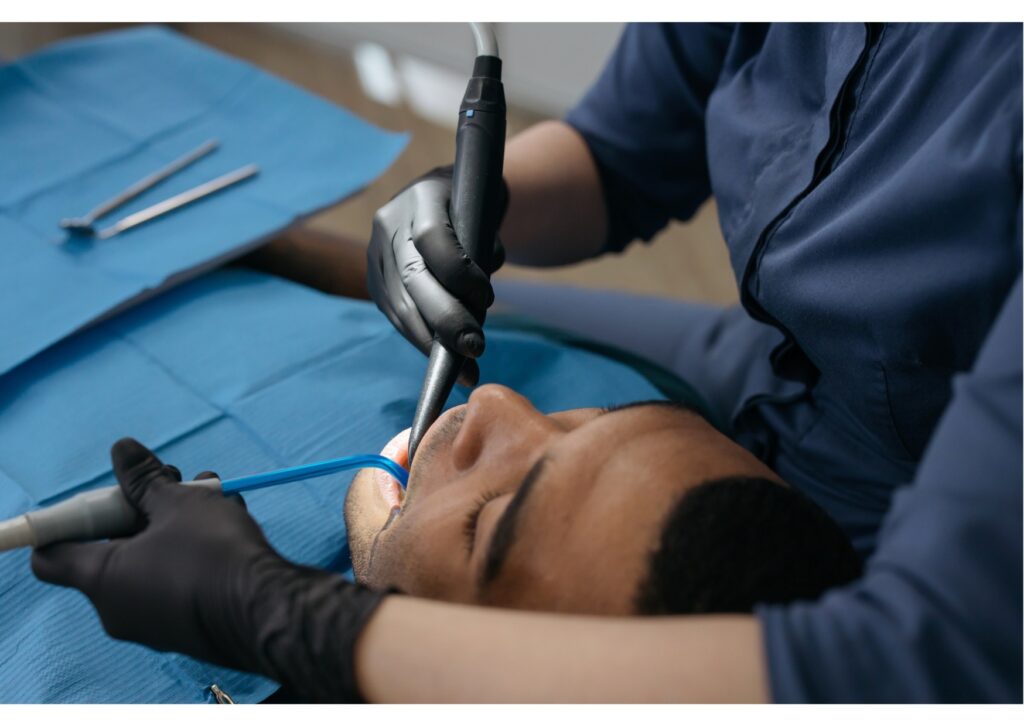
If anxiety or worry about the surgical visit is holding you back, we offer comfort options such as nitrous oxide to help patients stay calm and relaxed during treatment.
People often ask how long implants last, and the honest answer is that longevity depends on several moving parts. The implant, the crown, the surrounding bone, the gums, and the bite all matter. So do smoking status, diabetes control, nightly grinding, and whether regular maintenance visits actually happen.
In many cases, implants can function for many years, and published evidence on implant survival rates helps set realistic expectations. But crowns may need repair or replacement over time, and the tissues around an implant still need monitoring. A strong implant in a poorly maintained mouth is not truly a strong long-term result.
This is one place where family habits and community values quietly show up in oral health. The households that tend to do well are often the ones that treat routine care as part of ordinary life, like rotating tires or checking fence lines before winter. Nothing glamorous, just steady attention.
When thinking about the restoration itself, discussing the crown that will be attached is important. Learn more about dental crowns so you know what to expect for appearance and upkeep.
Before choosing implants, it helps to ask practical questions rather than only focusing on the final picture. Ask whether the tooth can be saved, what alternatives exist, whether bone grafting is likely, how long the process may take, and what maintenance will be required.
It is also reasonable to ask about the experience of the treating dentist, whether a specialist is involved, and what factors in the mouth may raise risk. If the plan feels rushed or unclear, getting a second opinion is not disloyal. It is sensible.
A good consultation should leave a patient understanding not only the benefits, but also the biological limits and the likely upkeep. That kind of clarity usually leads to better decisions than sales language ever will.
Ready to explore whether dental implants are the right solution for your smile? Schedule a consultation with Elmtree Family Dental to receive personalized guidance and a treatment plan built around your needs, comfort, and long-term oral health goals. Call (803) 783-9900 today to book your visit at our Columbia, SC office and take the next step toward a healthier, more confident smile.
Not always. Implants may be better when preserving neighboring teeth is a priority and the bone and gums are healthy enough for surgery. Bridges may be more practical when adjacent teeth already need crowns or when a faster, non-implant solution is preferred.
Some discomfort, swelling, and soreness can happen after placement, but the experience varies. Severe pain, worsening swelling, fever, or drainage should be assessed promptly.
No. Some patients may need gum treatment, bone grafting, or medical clearance first, and some may be better served by another option. A dental exam and imaging are the safest way to determine candidacy.
They can last many years, but outcomes depend on bone support, gum health, bite forces, smoking, and maintenance. The crown attached to the implant may not last as long as the implant itself.
Sometimes a space can be observed, but leaving a missing tooth untreated may lead to shifting, bite changes, chewing difficulty, or bone loss in some cases. The best next step depends on which tooth is missing and the condition of the rest of the mouth.
If you are unsure whether an implant makes sense, a local dental evaluation is the right place to start. A thoughtful plan should fit both the mouth and the life attached to it.

| Monday | 8:00 AM – 5:00 PM |
| Tuesday | 8:00 AM – 5:00 PM |
| Wednesday | 8:00 AM – 5:00 PM |
| Thursday | 8:00 AM – 5:00 PM |
| Friday | Closed |
| Saturday | Closed |
| Sunday | Closed |