Out in small towns, people rarely ask about dental implants in abstract terms. The question usually comes up at the front desk, after church, at the feed store, or while waiting for a school game to start. What people want to know is simple and honest: what is the cost of dental implants, and why does it vary so much from one person to the next?
That is a fair question. In everyday practice, the price is not just about a single screw-shaped post placed in bone. It reflects diagnosis, planning, bone and gum health, the number of missing teeth, the kind of restoration used on top, and whether other treatment is needed first. For many patients, the most helpful way to think about dental implants is not as a single line item, but as a process with several parts.
In rural communities especially, people tend to weigh dental decisions the same way they weigh any major expense. They think about work, family schedules, travel time, and whether something will hold up well over the years. That perspective matters, because the cost of dental implants is tied not only to the procedure itself, but also to long-term function, comfort, and maintenance.
Patients in Columbia, SC and nearby communities often want a treatment plan that fits both their oral health needs and daily responsibilities. At Elmtree Family Dental, patients can expect a calm, informative approach to dental implants, including guidance on treatment options, timelines, and factors that influence overall costs.
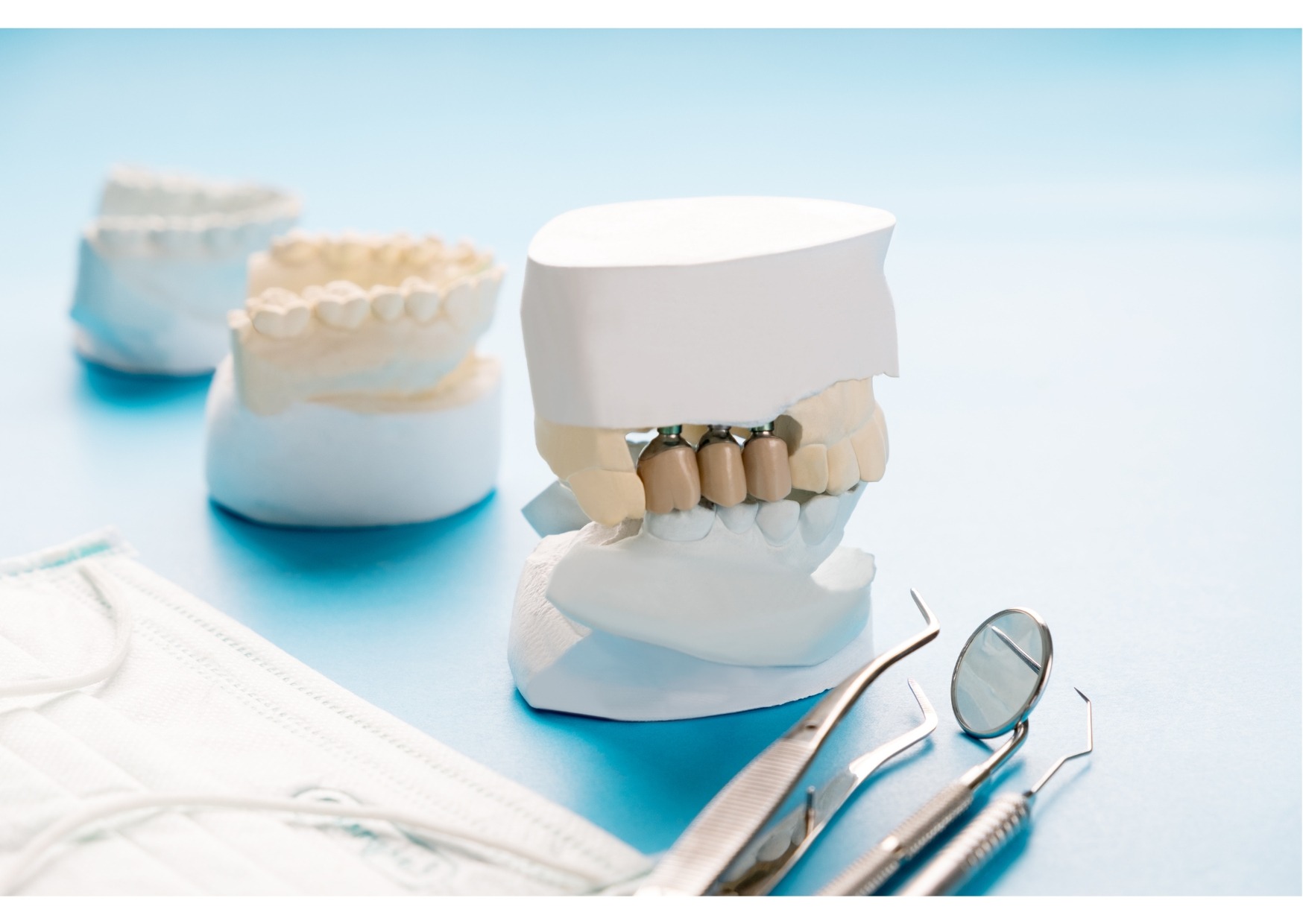
A dental implant is a replacement tooth root, usually made of titanium, that is placed in the jawbone to support a crown, bridge, or denture. Even when two patients both need “an implant,” the treatment may be very different. One person may need a straightforward single implant in a healthy bone. Another may need imaging, tooth extraction, grafting, gum treatment, or a more complex restoration.
That is why estimates can vary widely. Cost often depends on the number of implants, the location in the mouth, the quality and quantity of available bone, the materials selected for the final tooth replacement, and the training or technology involved in treatment planning. A back tooth that takes heavy chewing force may require a different restorative approach than a front tooth, where appearance is the main concern.
Geography can also play a role. Fees in a small farming community, a regional city, and a major metro area may differ because rent, lab costs, and specialist availability differ. In some areas, patients also travel between offices for surgery and restoration, which can affect both cost and convenience.
One of the biggest sources of confusion is that people hear a number advertised and assume it covers the entire treatment. Often, it does not. In many cases, implant care involves several distinct phases, and each phase may carry its own fee.
A typical treatment plan may include consultation, examination, and imaging such as 3D cone beam scanning. It may also include tooth extraction if a damaged tooth is still present, placement of the implant post, a healing period while the bone bonds to the implant, a connector piece called an abutment, and the final dental crowns, bridge, or denture. Follow-up visits are also part of the process.
When reviewing fees, ask whether the estimate includes the implant, the abutment, and the final crown. That simple question often clears up a lot. Some offices bundle treatment into one global fee, while others list each stage separately.
| Treatment Component | What It Means for Patients |
| Consultation and exam | Review of medical and dental history, bite, gums, and treatment options |
| Imaging | X-rays or 3D scans to evaluate bone, nerves, sinus position, and implant planning |
| Extraction if needed | Removal of a tooth that cannot be saved (tooth extraction) |
| Bone grafting if needed | Added material to rebuild or support bone where volume is limited |
| Implant placement | Surgical placement of the implant into the jawbone |
| Healing period | Time for osseointegration, which means the bone fuses to the implant surface |
| Abutment | Connector that attaches the implant to the final tooth replacement |
| Crown, bridge, or denture | The visible part that restores chewing and appearance (dental crowns) |
| Maintenance visits | Monitoring of implant health, bite, and home care over time |
There are a few reasons implant treatment becomes more expensive, and most of them are not arbitrary. They reflect added complexity or added treatment needed to improve safety and long-term success.
Bone grafting is a common example. If a tooth has been missing for a long time, the jawbone in that area may shrink. In the upper back jaw, the sinus may also limit available bone height. In those situations, a sinus lift or other grafting procedure may be recommended to create better support for an implant. Gum disease treatment can also add cost, because active periodontal disease should be controlled before implant placement whenever possible.
The final restoration matters too. A single implant crown is different from an implant-supported bridge, and both are different from a full-arch restoration that replaces many teeth. More teeth, more planning, and more lab work usually mean higher fees. Temporary teeth, custom esthetic work in the front of the mouth, and complex bite issues can also increase the total.
Patients can feel discouraged when they hear that added treatment is needed before an implant can be placed. That reaction is understandable. Still, it is better to hear a careful explanation up front than to be offered a quick fix that ignores bone loss, gum inflammation, or bite forces that may compromise the result.
The cost of dental implants depends heavily on how many teeth are being replaced and how they are being replaced. A single missing tooth usually involves one implant and one crown. Several missing teeth may sometimes be restored with fewer implants than teeth if a bridge is used. Full-arch treatment, where many or all teeth in one jaw are replaced, is a different category entirely.
For a patient missing one tooth, the main question is whether the neighboring teeth are healthy. If they are, an implant may preserve those teeth because it does not require them to be ground down for a bridge. For multiple missing teeth, implants may improve chewing stability and reduce movement compared with a removable partial denture.
For full-arch cases, the discussion becomes broader. Patients often ask about fixed teeth versus removable implant-supported dentures. All‑on‑4 implants may offer a streamlined solution for replacing a full arch with fewer implants, but they also involve more planning, more appointments, and higher cost than replacing a single tooth.
| Situation | Typical Treatment Approach | Why Cost Changes |
| One missing tooth | One implant and one crown | Fewer components, simpler planning in many cases |
| Several missing teeth | Multiple implants or an implant-supported bridge | More surgery and lab work may be needed |
| All teeth in one arch missing | Implant-supported denture or fixed full-arch restoration | Most complex planning, higher material and laboratory costs |
Dental insurance coverage for implants varies a great deal. Some plans cover part of the restoration but not the implant surgery. Some cover extractions or imaging but not grafting. Others exclude implants entirely and may only contribute toward a less expensive alternative, such as a removable denture or traditional bridge.
That is why a pretreatment estimate can be helpful. It gives patients a clearer sense of what the plan may contribute and what out-of-pocket costs may remain. Even then, coverage details can change based on waiting periods, annual maximums, missing-tooth clauses, and whether the treating office is in network.
In real life, many families compare three things at once: immediate cost, expected lifespan, and day-to-day function. That is a sensible way to look at it. A lower upfront price is not always the lower long-term cost if a replacement is less stable, less comfortable, or more likely to need repeated adjustment.
Before moving forward, ask for a written treatment plan that separates what is known from what may still depend on healing or additional findings. This is especially important if a tooth has not yet been removed or if bone quality is uncertain until surgery.
Useful questions include whether the estimate covers all major phases, whether grafting is likely, how long treatment may take, and who will perform each part of care. It is also reasonable to ask what alternatives exist and what tradeoffs come with each one.
A good consultation should make room for practical concerns. Travel time, time away from work, follow-up visits, and maintenance all matter. In smaller communities, those details can shape a decision just as much as the fee itself.
If you want to review options in person, call Elmtree Family Dental at (803) 783-9900 to set up a friendly consultation about dental implants. We see patients from Columbia, SC, and surrounding areas and will walk through costs, timelines, and next steps.
People sometimes delay evaluation because they assume the only next step will be an expensive implant. But not every missing or failing tooth situation needs the same treatment, and not every painful tooth should be watched at home. A proper exam can clarify whether the issue involves decay, fracture, gum disease, infection, or bite trauma.
Some symptoms deserve prompt attention regardless of budget concerns. Facial swelling, fever, spreading pain, pus, or difficulty swallowing can suggest emergency signs of a dental infection that need urgent evaluation. Ongoing bleeding, a loose implant, numbness, or a sudden change in bite also warrant timely follow-up.
Even when an implant is likely to be the eventual solution, the safest first step is often diagnosis. In some cases, early treatment limits more extensive bone loss or infection and may preserve more options.
In close-knit communities, people remember which work was done right and which promises sounded good but did not hold up. Dentistry is no different. The value of implant treatment comes from careful case selection, healthy gums, sound bite planning, and realistic expectations, not from a flashy ad or a single attractive number.
Most patients already sense that. They are not just buying a product. They are deciding whether they can chew comfortably, smile without thinking about it, and avoid a cycle of repeated patchwork. That is why the cost of dental implants is best understood in context, with attention to health, function, and what daily life actually demands.
For families balancing farm schedules, school pickups, shift work, and aging parents, dental decisions are never purely financial or purely medical. They sit somewhere in the middle, where health meets responsibility. A thoughtful implant consultation should respect both.
If you are comparing options, let the numbers inform the decision, but do not let them make the whole decision for you. The right plan is the one that fits the mouth in front of the dentist and the life being lived outside the office.
Ready to explore your options for dental implants? Elmtree Family Dental proudly serves patients in Columbia, SC, with personalized implant treatment plans designed around comfort, function, and long-term oral health. Call (803) 783-9900 today to schedule your consultation and get clear guidance on the cost of dental implants, treatment timelines, and the best solution for your smile.
Often yes at the start, but the comparison is not always simple. A bridge may cost less upfront, while an implant may help preserve neighboring teeth and bone in some situations.
An advertised fee may refer to only one part of treatment. It may not include imaging, extraction, grafting, the abutment, or the final crown.
Usually no. A meaningful estimate depends on bone levels, gum health, the condition of nearby teeth, and the type of restoration planned.
Not always. Depending on the location, bite, and overall dental health, options may include a bridge, partial denture, full denture, or sometimes monitoring.
Schedule an evaluation if a tooth is missing and you want replacement options, or if you have pain, a loose tooth, trouble chewing, swelling, or a broken tooth. Seek urgent care sooner if swelling, fever, drainage, or trouble swallowing develops.

| Monday | 8:00 AM – 5:00 PM |
| Tuesday | 8:00 AM – 5:00 PM |
| Wednesday | 8:00 AM – 5:00 PM |
| Thursday | 8:00 AM – 5:00 PM |
| Friday | Closed |
| Saturday | Closed |
| Sunday | Closed |