
If you keep wondering, why is my mouth so dry, the short answer is that your mouth may not be making enough saliva or may be losing moisture faster than usual. Dry mouth can happen temporarily from dehydration, stress, or sleeping with your mouth open, but ongoing dryness is often linked to medicines, health conditions, or reduced salivary gland function.
Saliva does more than keep your mouth comfortable. It helps protect teeth, wash away food, and lower the risk of cavities, irritation, and oral infections.
If persistent dryness or frequent cavities have you worried, a dental exam can help identify likely causes and show where your teeth and gums may be at greater risk. At Elmtree Family Dental in Columbia, SC, we evaluate dry-mouth concerns with a focus on comfort, cavity prevention, and practical next steps.
Dry mouth, also called xerostomia, often feels sticky, rough, or unusually thirsty. You may notice thick or stringy saliva, cracked lips, bad breath, a burning tongue, or changes in taste.
Some people have trouble chewing or swallowing dry foods. Symptoms are often worse at night or first thing in the morning, especially with snoring, nasal congestion, or mouth breathing.
Denture wearers may also notice more rubbing or sore spots because saliva normally cushions oral tissues. When saliva is reduced, plaque, food debris, and acids stay on the teeth longer.
Over time, dry mouth can raise cavity risk. It can also contribute to gingivitis symptoms, oral yeast infections, and make it easier to form a cavity, especially near the gumline and on exposed roots.
Not drinking enough fluids is a common reason for temporary dryness. Heavy sweating, fever, vomiting, diarrhea, alcohol, tobacco, cannabis, and large amounts of caffeine can also make the mouth feel drier.
Medicines are another major cause. Many prescription and over-the-counter products list dry mouth as a side effect, including some antihistamines, decongestants, antidepressants, anxiety medicines, blood pressure medicines, muscle relaxants, bladder-control medicines, and pain medicines.
Some health conditions can also reduce saliva or change how the mouth feels. Examples include diabetes, Sjögren's disease, thyroid disorders, autoimmune conditions, nerve injury, salivary gland disease, and radiation or cancer treatment involving the head or neck.
Dryness does not always mean the salivary glands are failing. Anxiety, rapid breathing, CPAP use, nasal blockage, and sleeping with the mouth open can all cause a dry feeling, and sleep apnea treatment may help reduce nighttime dryness when airway problems are part of the cause.
Sip plain water regularly and keep water nearby at night. Sugar-free gum or lozenges may help stimulate saliva, and xylitol-containing products are usually a better choice than sugary options.
Try to limit tobacco, alcohol, and alcohol-based mouth rinses if they make symptoms worse. A humidifier in the bedroom may help, and treating allergies or nasal congestion with a medical professional may reduce mouth breathing.
Brush twice a day with fluoride toothpaste and clean between your teeth daily. Because dry mouth increases the effect of sugar and acid on teeth, water is a better routine drink than soda, sports drinks, juice, or sweetened tea.
Regular preventive care is important because chronic dry mouth raises the risk of cavities and oral infections. Over-the-counter saliva substitutes, moisturizing gels, and dry-mouth rinses can also provide short-term relief.
If your dry mouth started after a new medicine or a dose change, tell both your dentist and the prescribing clinician. Do not stop or change a medication on your own unless the prescriber tells you to.
Sometimes a clinician can adjust the timing, switch medicines, or suggest another way to manage symptoms. Bring an updated list of prescriptions, over-the-counter products, vitamins, and supplements because several products together can have a stronger drying effect.
Dry mouth from short-term dehydration, stress, or temporary mouth breathing may improve once the trigger is gone. Ongoing dry mouth often needs a longer-term plan focused on protecting the teeth, gums, and oral tissues.
That plan may include more fluoride exposure, better hydration habits, saliva-supporting products, and closer monitoring for early decay. The goal is not just symptom relief, but also preventing damage that dry mouth can cause over time.
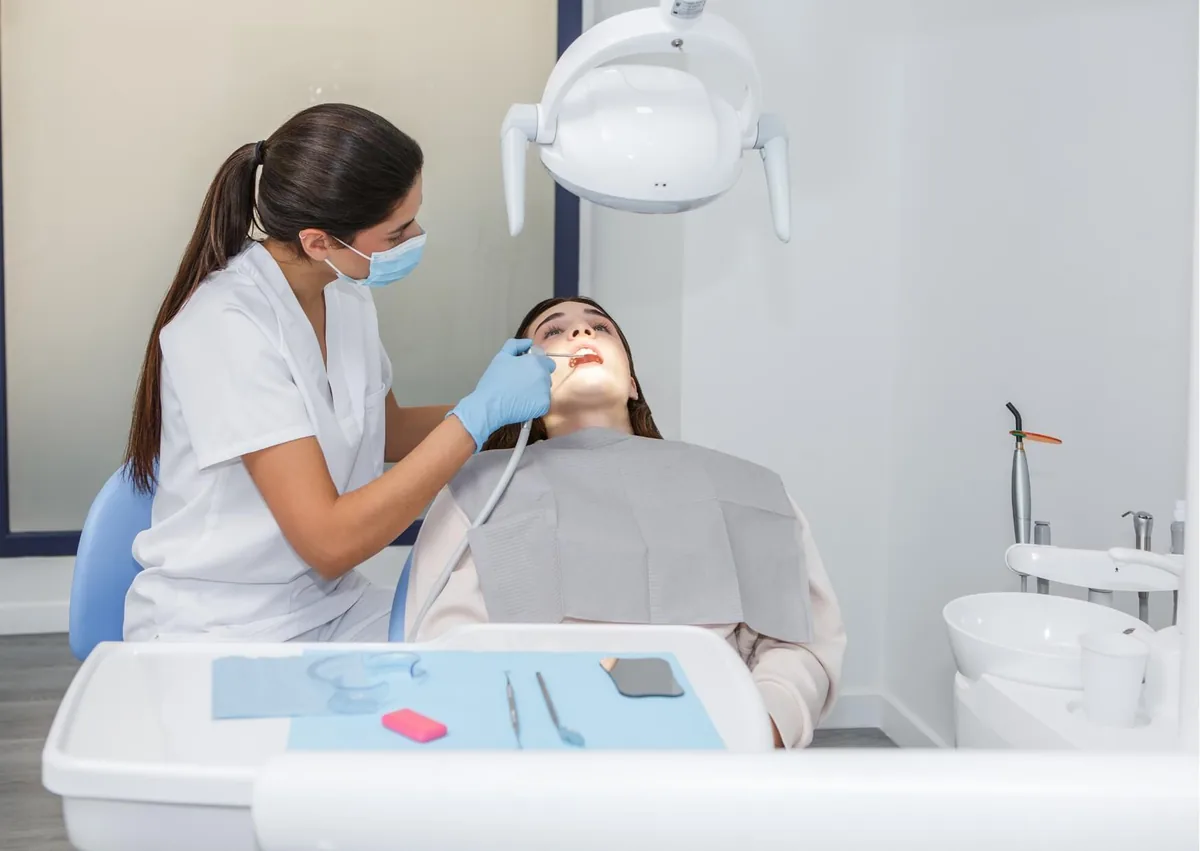
Schedule a dental evaluation if dryness lasts more than a couple of weeks, keeps coming back, wakes you at night, or makes eating and swallowing difficult. You should also be seen sooner for new cavities, tooth sensitivity, mouth sores, a burning feeling, white patches, swollen salivary glands, or ongoing bad breath.
A dentist can examine your teeth and soft tissues, review likely causes, and recommend steps such as fluoride treatment or more frequent preventive care. This can help lower the risk of decay and catch dry-mouth complications early.
Seek prompt medical care for sudden severe dryness with facial swelling, fever, trouble breathing, inability to swallow, confusion, fainting, or signs of significant dehydration such as very little urination. Persistent dry mouth is often manageable, but finding the cause early can protect comfort, nutrition, and oral health.
A dental exam and targeted preventive steps can reduce cavity risk and improve comfort from dry mouth. Call Elmtree Family Dental for dental exams and cleanings in Columbia, SC, serving West Columbia and Cayce, at (803) 783-9900 to schedule.
Yes. Mild dehydration commonly causes temporary dryness, especially after exercise, illness, heat exposure, or not drinking enough fluids. If dryness continues despite normal hydration, another cause may be involved.
Nighttime dryness often happens with mouth breathing, snoring, nasal blockage, or CPAP use. Medicines taken in the evening and naturally lower saliva flow during sleep can also contribute.
Yes. Saliva helps neutralize acids, wash away food, and support enamel, so reduced saliva increases cavity risk. Careful home care, fluoride, and regular dental monitoring become more important when your mouth stays dry.
It can be. Dry mouth may happen with diabetes, especially when blood sugar is not well controlled, but it also has many other possible causes.
Dryness from short-term causes may improve once the trigger resolves. Symptoms that are persistent, worsening, unexplained, or paired with sores, swelling, swallowing problems, or rapid tooth decay should be evaluated.

| Monday | 8:00 AM – 5:00 PM |
| Tuesday | 8:00 AM – 5:00 PM |
| Wednesday | 8:00 AM – 5:00 PM |
| Thursday | 8:00 AM – 5:00 PM |
| Friday | Closed |
| Saturday | Closed |
| Sunday | Closed |