A chipped tooth usually happens for a reason, even if it feels sudden. In many cases, the tooth was already under stress from grinding, decay (see cavity formation), or old fillings, and one bite on something hard was enough to break off a small piece.
Some chips affect only the outer enamel, which is the hard outer layer of the tooth. Others go deeper and can cause pain, sensitivity, or a rough edge that irritates your tongue or cheek.
If the tooth hurts, feels loose, looks darker, or broke near the gumline, it is worth getting checked soon. Consider emergency care if you have pain, swelling, or a recent injury.
Elmtree Family Dental in Columbia, SC provides emergency dental care for chipped or injured teeth and can evaluate whether the chip requires urgent attention.
Teeth are strong, but they are not indestructible. A chip usually happens because of a sudden force, a weakened tooth, or both.
Not every chip is the same. Symptoms often depend on how deep the break goes.
A deeper injury may require more involved treatment.
A small corner chip on a front tooth is often manageable, but some symptoms suggest the tooth needs prompt evaluation. The key issue is not just the size of the chip you can see, but whether the tooth underneath is damaged.
Watch for pain when biting or when you release pressure. That pattern can point to a crack that extends deeper than the visible chip.
Cold sensitivity that lingers, gum swelling near the tooth, bleeding around the fracture, or a tooth that suddenly looks gray or dark also deserve attention. These signs can suggest nerve injury, infection, or a fracture that extends below the gumline.
If a piece broke off and the remaining tooth feels mobile, that is more urgent. A loose tooth after trauma should be assessed quickly.
A dental exam does more than confirm that a tooth chipped. The goal is to find out why it happened and whether the tooth can be predictably protected.
The dentist will usually check the size and location of the break, whether the edge is sharp, and whether the tooth is tender to pressure or temperature. X-rays may help show decay, bone changes, old restorations, or a fracture pattern that is not obvious from the outside.
Sometimes the bite is part of the problem. If one tooth takes too much force during chewing or grinding, it may keep chipping unless that pattern is corrected.
Treatment depends on the depth of the chip, the location, and whether the tooth is still healthy inside. A small chip may need very little, while a deeper fracture may need a more protective restoration.
If the chip is tiny and only leaves a rough edge, the dentist may smooth the area. This is common for very small enamel chips.
Dental bonding uses tooth-colored material to rebuild a chipped area, especially on front teeth. It is often a practical option when the break is visible but not too large.
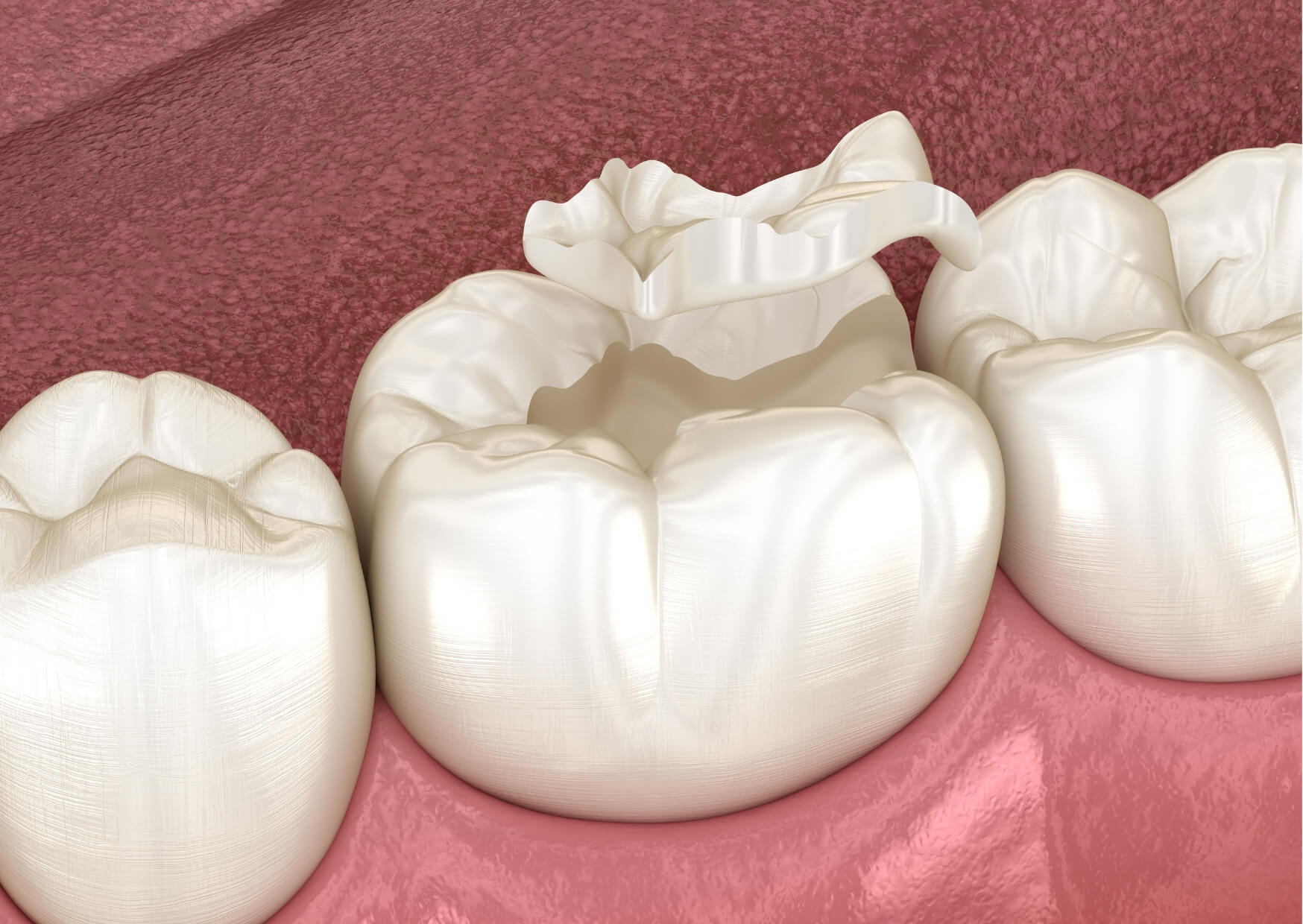
If the chip is related to decay or a failing restoration, the damaged area may need to be cleaned and restored with fillings or an onlay to restore strength and shape.
For more detail on material choices, see composite fillings.
A crown covers the tooth more fully and may be recommended when a large portion has broken or the remaining structure is weak.
Consider dental crowns when protection and long-term strength are needed.
If the nerve inside the tooth is inflamed, infected, or exposed, root canal treatment may be needed before the tooth is rebuilt. This does not mean every chipped tooth needs it, but it becomes more likely when pain is significant or the fracture is deep.
For practical recovery tips after the procedure, read about root canal recovery.
Until the tooth is examined, try not to chew on that side if biting causes pain. Sharp, hard, or very cold foods may aggravate the area.
If the edge is rough, it may rub against your tongue or cheek, but avoid trying to file or repair the tooth at home. Home fixes can hide the real problem or make the surface harder to restore properly.
If you still have the broken piece, bring it to the visit. It may not always be reusable, but it can help the dentist understand the fracture pattern.
A chipped tooth does not regenerate the way skin does. Enamel cannot grow back, so the missing portion stays missing unless it is restored.
That said, not every chip needs major treatment. Some small chips stay stable, while others become more problematic because the tooth was weakened by decay, grinding, or a larger crack.
If the tooth feels normal after a minor chip, that is reassuring but not a guarantee. A dental exam is still useful if the edge is sharp, the appearance changed noticeably, or the chip happened without a clear reason.
Prevention works best when it matches the cause of the fracture. A tooth that chipped from ice chewing needs a different solution than a tooth that chipped because of grinding or decay.
Avoid chewing ice, popcorn kernels, pens, and other hard objects. If grinding or clenching is suspected, a dentist may recommend a night guard for bruxism, which is the clinical term for grinding and clenching.
Keeping up with routine exams matters here. Small cavities, leaking fillings, and bite stress often become obvious to a dentist before they cause a visible break.
If chipped edges keep happening, especially on several teeth, that pattern deserves a closer look. Repeated chipping can point to acid wear, an uneven bite, or long-term grinding that needs treatment planning rather than another quick repair.

Some chipped teeth can wait a short time for a routine dental visit, but others should be seen quickly. The main red flags are symptoms that suggest deeper structural damage or infection.
Seek prompt dental care if you have severe pain, swelling, bleeding, a loose tooth, or a chip after an accident. General guidance on dental emergencies also supports getting urgent care when injuries involve significant pain, bleeding, or trauma.
Also call soon if the tooth is sensitive for more than a brief moment, hurts to bite on, or broke near the gumline.
If the chip seems small but happened without any clear cause, that is still worth evaluating. Teeth usually do not break during normal chewing unless something has weakened them first.
A chipped tooth is often fixable, especially when the cause is identified early and the remaining tooth is protected. If the area feels sharp, sensitive, or simply does not seem right, scheduling a dental exam is the safest next step.
If your chipped tooth is painful or you were in an accident, Elmtree Family Dental offers emergency care in Columbia, SC and serves nearby West Columbia and Lexington; call (803) 783-9900 to schedule.
That can happen when the tooth was already weakened by decay, an old filling, a hidden crack, or long-term grinding. Soft food may have been the moment the problem became visible, not the true cause.
No. A small chip without pain may not be urgent, but it should still be assessed if it is sharp, noticeable, or happened for no clear reason.
Indirectly, yes. Stress can increase clenching and grinding, which puts repeated force on teeth and can make chips more likely over time.
Front teeth often chip at the edges because those areas are thinner. Prior trauma, enamel wear, nail biting, or using teeth to open packaging can also make front teeth more vulnerable.
It may or may not. Some small enamel chips stay stable, but others enlarge, become sensitive, or reveal a deeper crack, so an exam is the safest way to know.

| Monday | 8:00 AM – 5:00 PM |
| Tuesday | 8:00 AM – 5:00 PM |
| Wednesday | 8:00 AM – 5:00 PM |
| Thursday | 8:00 AM – 5:00 PM |
| Friday | Closed |
| Saturday | Closed |
| Sunday | Closed |