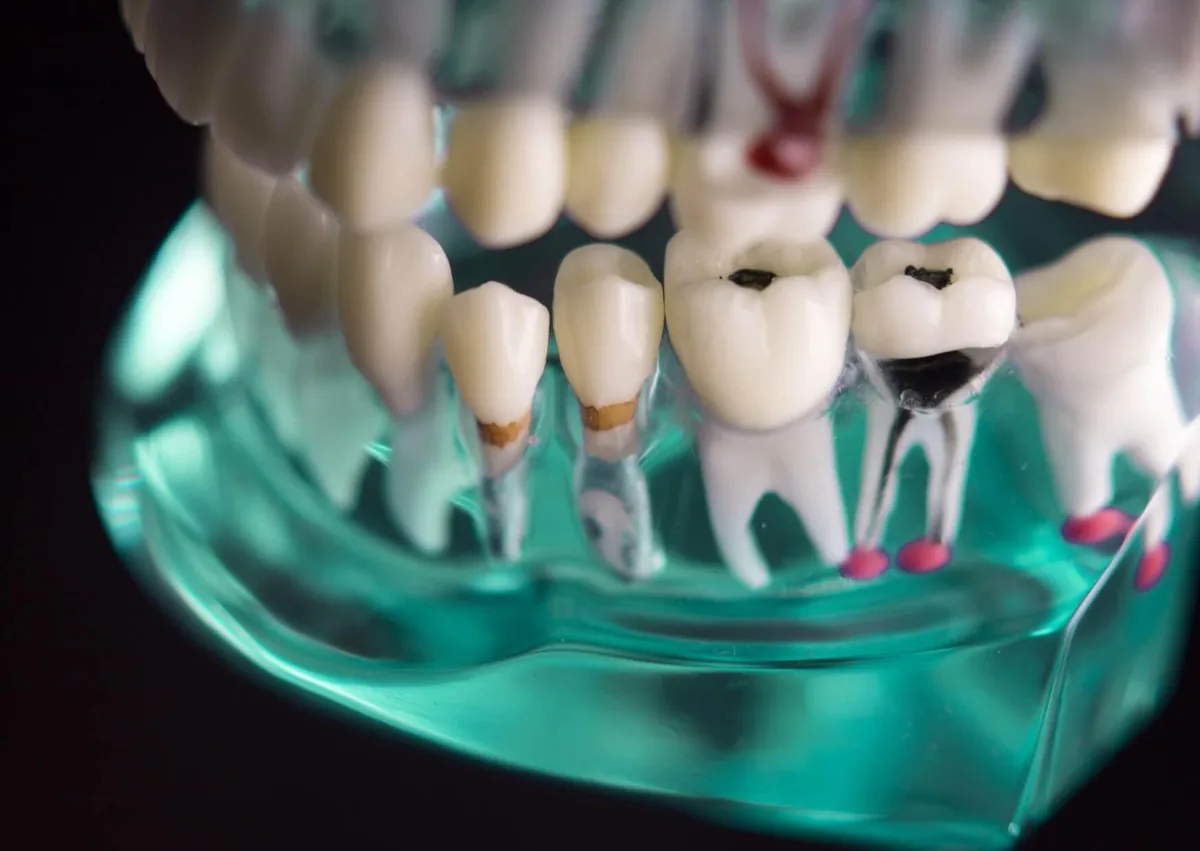
To remove plaque from teeth, brush twice a day with fluoride toothpaste and clean between your teeth once a day with floss or another interdental cleaner. Soft plaque can often be removed at home, but hardened tartar cannot be safely removed without a professional cleaning.
If you have visible tartar or trouble removing plaque at home, professional dental cleanings can safely remove hardened buildup and check for early gum disease. Elmtree Family Dental in Columbia, SC helps protect your teeth with gentle, thorough cleanings and personalized advice to improve daily plaque control.
Plaque is a sticky film of bacteria that constantly forms on teeth and along the gumline. When these bacteria feed on sugars and starches, they produce acids that can lead to cavities and gum irritation.
Brush for two minutes twice a day with a soft-bristled manual or powered toothbrush. Angle the bristles slightly toward the gumline and use gentle pressure on the front, back, and chewing surfaces of every tooth.
Use a fluoride toothpaste with the American Dental Association Seal of Acceptance. After brushing, spit out the excess toothpaste instead of rinsing right away so fluoride contact lasts longer.
A toothbrush cannot fully clean the tight spaces where teeth touch. Clean between teeth once a day with floss, floss holders, interdental brushes, or a water flosser that fits your needs.
With string floss, slide it gently between the teeth, curve it around one tooth in a C shape, and move it up and down along the side of the tooth and just under the gumline. Do not snap floss into the gums, because that can cause injury without improving plaque removal.
Interdental brushes can work well around braces, bridges, implants, or wider spaces. If flossing is difficult, a dentist or hygienist can recommend the right tool and size.
Different tools clean different areas, so most people need more than one method. This table shows what each option does best.
|
Method |
Best Use |
Important Limitation |
|---|---|---|
|
Manual or powered toothbrush |
Exposed tooth surfaces and gumline |
Does not fully clean between teeth |
|
String floss or floss holder |
Tight spaces between teeth |
Technique can take practice |
|
Interdental brush |
Wider spaces, braces, bridges, or some implants |
Incorrect sizing may irritate gums |
|
Water flosser |
Around dental work or when hand dexterity is limited |
Does not replace twice-daily brushing |
|
Professional cleaning |
Hardened tartar above or below the gumline |
Must be performed by a dental professional |
Mouthwash may support a dentist-recommended routine, but it does not physically remove plaque the way brushing and interdental cleaning do. Toothpicks, fingernails, and metal scraping tools can injure the gums or damage teeth and should not be used to scrape buildup away.
Plaque that stays on the teeth can absorb minerals from saliva and harden into tartar, sometimes within a few days. Tartar may look yellow, tan, brown, or dark, and it often collects behind the lower front teeth or along the gumline.
Tartar cannot be safely brushed or flossed off at home. Dental professionals remove it during dental cleanings, using hand or ultrasonic instruments and, when needed, cleaning below the gumline.
Trying to remove tartar with home dental scalers can cut the gums, scratch exposed tooth roots, damage restorations, or push deposits deeper under the gums. A professional exam can also show whether the buildup is linked to gingivitis symptoms or to periodontitis, a more advanced form of gum disease.
Plaque is not always easy to see, but teeth may feel fuzzy or rough when it builds up. Other common signs include bad breath, red or swollen gums, and bleeding when brushing or flossing.
Bleeding can happen when inflamed gums are cleaned, and gentle daily plaque removal often helps early gingivitis improve. Do not scrub harder or stop cleaning the area, but schedule a dental evaluation if bleeding is frequent, heavy, painful, or does not improve.
Plaque acids can also weaken enamel and contribute to cavities. White, brown, or black spots, temperature sensitivity, pain when biting, or a lasting toothache should be evaluated rather than treated as a cleaning issue alone.
If you are worried about how quickly decay can develop, read about how long for a cavity to form.
A consistent routine matters more than occasional deep cleaning. Replace your toothbrush or powered brush head about every three to four months, or sooner if the bristles are frayed.
Frequent sugary or starchy snacks and drinks give plaque bacteria more chances to make acid. Drinking water instead of sweetened beverages, limiting between-meal snacking, and brushing before bed can help lower risk.
Plaque-disclosing tablets or solutions can highlight spots you missed during brushing. Follow product directions, and ask a dental professional before using them if you are concerned about staining dental work or oral tissues.
Talk with your dental team about preventive care to tailor your home routine and cleaning schedule to your needs. A professional fluoride treatment may also help strengthen enamel and lower cavity risk.
Schedule a dental visit if you have visible tartar, persistent bleeding, gum recession, ongoing bad breath, tooth sensitivity, loose teeth, or pain. The right cleaning interval depends on your cavity risk, gum health, medical history, and how quickly tartar builds up.
Seek prompt dental care for worsening tooth pain, a broken tooth, pus, or swelling of the gums or face. Facial swelling with fever or trouble breathing or swallowing needs urgent medical attention because a spreading dental infection can become serious.
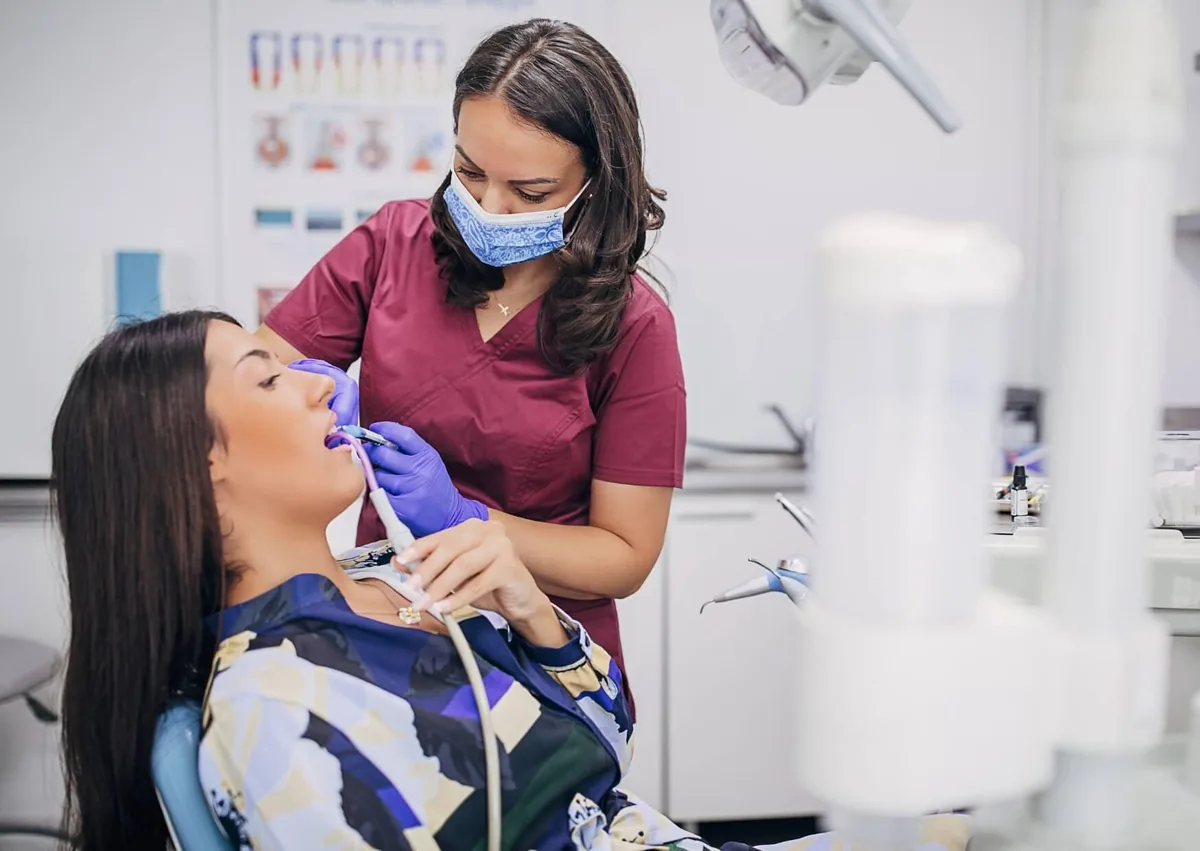
A dentist or hygienist can remove hardened buildup during dental cleanings, identify areas you are missing, and recommend tools that fit your tooth spacing, dexterity, dental work, or orthodontic appliances. Early care is especially helpful when symptoms continue despite careful brushing and flossing.
If tartar or persistent gum symptoms are present, arrange a professional cleaning and exam to remove buildup and assess gum health. Call Elmtree Family Dental for dental cleanings in Columbia, SC and nearby Forest Acres, SC at (803) 783-9900 or book an appointment online today.
Fresh, soft plaque may be removed from easy-to-reach surfaces during thorough brushing and cleaning between the teeth. Plaque starts forming again throughout the day, and tartar will not come off with brushing.
Some fluoride toothpastes include baking soda and can help clean tooth surfaces. Homemade abrasive mixtures are not a substitute for fluoride toothpaste and may irritate tissues or wear dental materials if used incorrectly.
Both manual and powered toothbrushes can work well when used correctly. A powered brush may make consistent cleaning easier for people with limited dexterity, braces, or difficulty controlling brushing time and pressure.
Plaque can inflame the gums and make them more likely to bleed during brushing or flossing. Keep cleaning gently, but seek dental care if bleeding is persistent, worsening, spontaneous, or paired with swelling, pain, or loose teeth.
The right interval depends on how quickly tartar forms, your gum health, your medical history, tobacco use, dental work, and how effective your home care is. A dental professional can recommend a recall schedule after examining your teeth and gums.
| Monday | 8:00 AM – 5:00 PM |
| Tuesday | 8:00 AM – 5:00 PM |
| Wednesday | 8:00 AM – 5:00 PM |
| Thursday | 8:00 AM – 5:00 PM |
| Friday | Closed |
| Saturday | Closed |
| Sunday | Closed |