
In smaller towns, a dental appointment is rarely just a quick stop. It may mean a long drive on county roads, missing work, or asking someone to help with school pickup. That is why one of the most practical questions after treatment is simple: can you drive after a root canal?
In many cases, yes. Most patients can drive after root canal therapy if they had only local anesthetic and feel alert, steady, and comfortable enough to focus on the road.
That answer does have limits. If sedation was used, or if you feel dizzy, shaky, very uncomfortable, or too numb to stay focused, it is safer to arrange a ride.
Elmtree Family Dental in Columbia, SC offers root canal therapy and thoughtful aftercare for patients who want clear guidance on the trip home.
A root canal treats the soft tissue inside the tooth, called the pulp. When that tissue is inflamed or infected, cleaning and sealing the inside of the tooth can relieve pain and help save it.
Right after the visit, your mouth is often still numb from local anesthetic. The tooth and nearby gum may become sore later in the day, but many patients say the first few hours feel more awkward than painful.
This is a common question in everyday practice. A patient sits up, checks the time, and asks whether it is okay to head back to work, home, or the school pickup line.
Usually, the main issue is not the tooth itself. It is whether you feel clear and steady enough to drive safely.
Driving is usually fine if your procedure was done with local anesthetic only. That means the area was numbed, but you were not given medication that can make you drowsy or less aware.
If that is the case, many people can drive themselves home. Mild numbness in the lip or cheek does not automatically make driving unsafe, though it can feel strange.
A practical rule works best here. If your vision is clear, your thinking feels normal, and you are not dizzy or distressed, driving may be reasonable.
Even then, it helps to pause before leaving. Sitting in the parking lot for a minute, taking a few calm breaths, and checking how you feel is often a smart choice.
The biggest reason not to drive after a root canal is sedation. If you were sedated, do not drive yourself home.
Sedation can slow reaction time, affect judgment, and leave lingering grogginess even when you feel mostly awake. This can happen with oral sedation, IV sedation, or other medications used to help you relax during treatment. Learn more about our sedation options if you expect to need help staying calm during your visit.
You also should not drive if pain is strong enough to break your concentration. The same goes for dizziness, nausea, weakness, blurred vision, or a general sense that you do not feel settled after the procedure.
Many people are used to pushing through discomfort and getting on with the day. But driving while sedated or distracted is not worth the risk.
Numbness from local anesthetic often lasts a few hours. It may affect the tooth, gum, lip, cheek, and sometimes part of the tongue.
That numb feeling is not usually dangerous by itself, but it can be distracting. Some patients feel clumsy when speaking or notice drooling, which can make it harder to stay focused.
After a root canal on a lower tooth, the tongue or lip may stay numb longer than expected. If that sensation feels distracting enough to pull your attention from the road, it is better to wait or get a ride.
This matters even more if you already feel anxious at the dentist. A procedure can go well, but stress, numbness, and a long drive home may still make self-transport a poor choice.
Some discomfort after a root canal is common. The tissues around the tooth can stay irritated for a short time, especially if there was infection, swelling, or significant inflammation beforehand.
Pain often feels sore, tender, or bruised when you bite down. That is different from severe throbbing pain, rapidly increasing swelling, or pain that feels much worse than expected.
If discomfort is mild, many patients can still drive safely. If pain is intense enough to make concentration difficult, the safer choice is not to get behind the wheel.
These signs do not always mean something serious, but they deserve professional review rather than guesswork at home.
If symptoms feel urgent, our emergency care page explains same-day options and when to contact the office.
Many root canal visits end with a temporary filling or temporary crown, depending on the tooth and the treatment plan. That material protects the tooth until the final restoration is placed.
By itself, a temporary restoration does not usually stop someone from driving. What matters more is whether your bite feels stable, the numbness is manageable, and you feel fully alert.
The tooth may still be more fragile until the final restoration is completed. That is why dentists often recommend being careful with hard or sticky foods in the meantime.
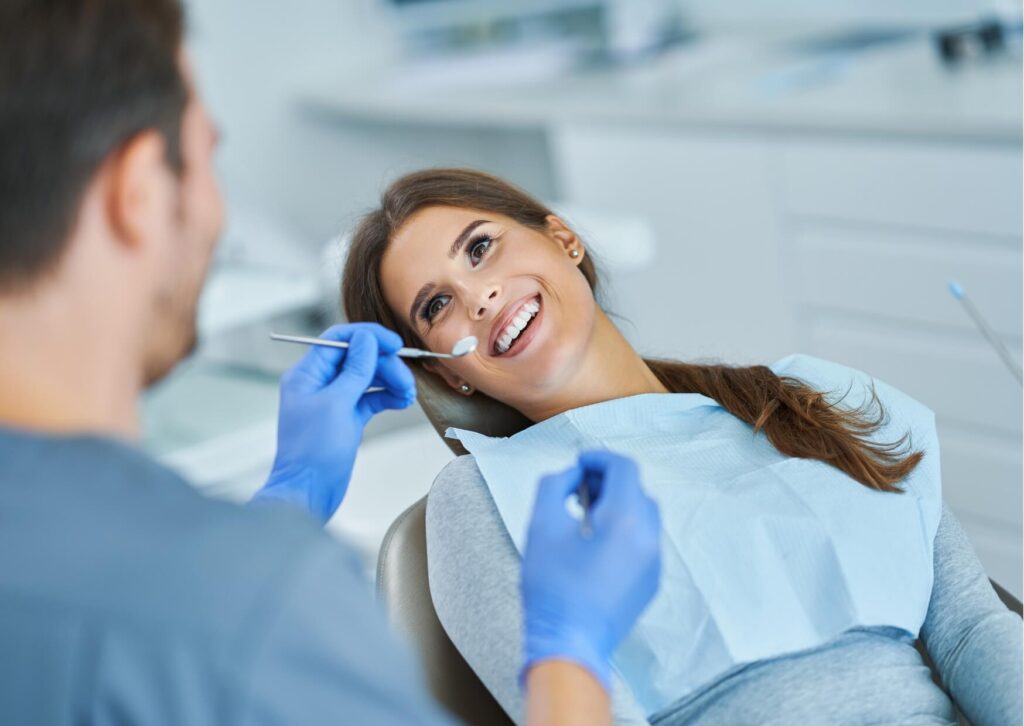
Before heading out, it helps to ask the dental team a few direct questions. This is especially useful if your drive home is long or the appointment was more difficult than expected.
Helpful questions include:
A good dental office expects these questions. Clear aftercare guidance is part of safe treatment, not an extra favor.
So, can you drive after a root canal? In many cases, yes, if only local anesthetic was used and you feel calm, clear, and physically steady.
If sedation was involved, if symptoms feel distracting, or if your body simply does not feel right, get a ride. There is nothing dramatic about making the cautious choice. It is often the most sensible one.
In smaller communities, people often look out for each other in quiet ways. A family member waits in the truck, a friend offers to drive, or someone from the office helps make a plan before you leave.
That kind of practical care matters in dentistry. Good treatment is not only about saving a tooth. It is also about getting home safely, recovering well, and getting back to daily life with a little less pain and a little more peace.
If you are planning a root canal and are unsure whether you should drive afterward, ask the dental office before the appointment so the ride home is settled ahead of time.
Elmtree Family Dental offers root canal therapy in Columbia, SC and nearby West Columbia and Cayce. Call us at (803) 783-9900 to schedule and ask about same-day availability.
Usually, yes. If only local anesthetic was used and you feel alert, steady, and comfortable, many patients can drive themselves home safely.
No. You should not drive after sedation because it can affect judgment, coordination, and reaction time even if you feel mostly awake.
There is no single answer for everyone. If you had local anesthetic only, you may be able to drive soon after treatment if you feel normal. If you had sedation, follow the office instructions and arrange a ride.
It can happen, especially after stress, not eating normally, or sitting through a long appointment. If weakness, dizziness, or shakiness is significant or does not improve, contact the dental office and avoid driving.
Call if pain is severe, swelling is increasing, fever develops, swallowing becomes difficult, or symptoms feel unusual or get worse instead of better.

| Monday | 8:00 AM – 5:00 PM |
| Tuesday | 8:00 AM – 5:00 PM |
| Wednesday | 8:00 AM – 5:00 PM |
| Thursday | 8:00 AM – 5:00 PM |
| Friday | Closed |
| Saturday | Closed |
| Sunday | Closed |