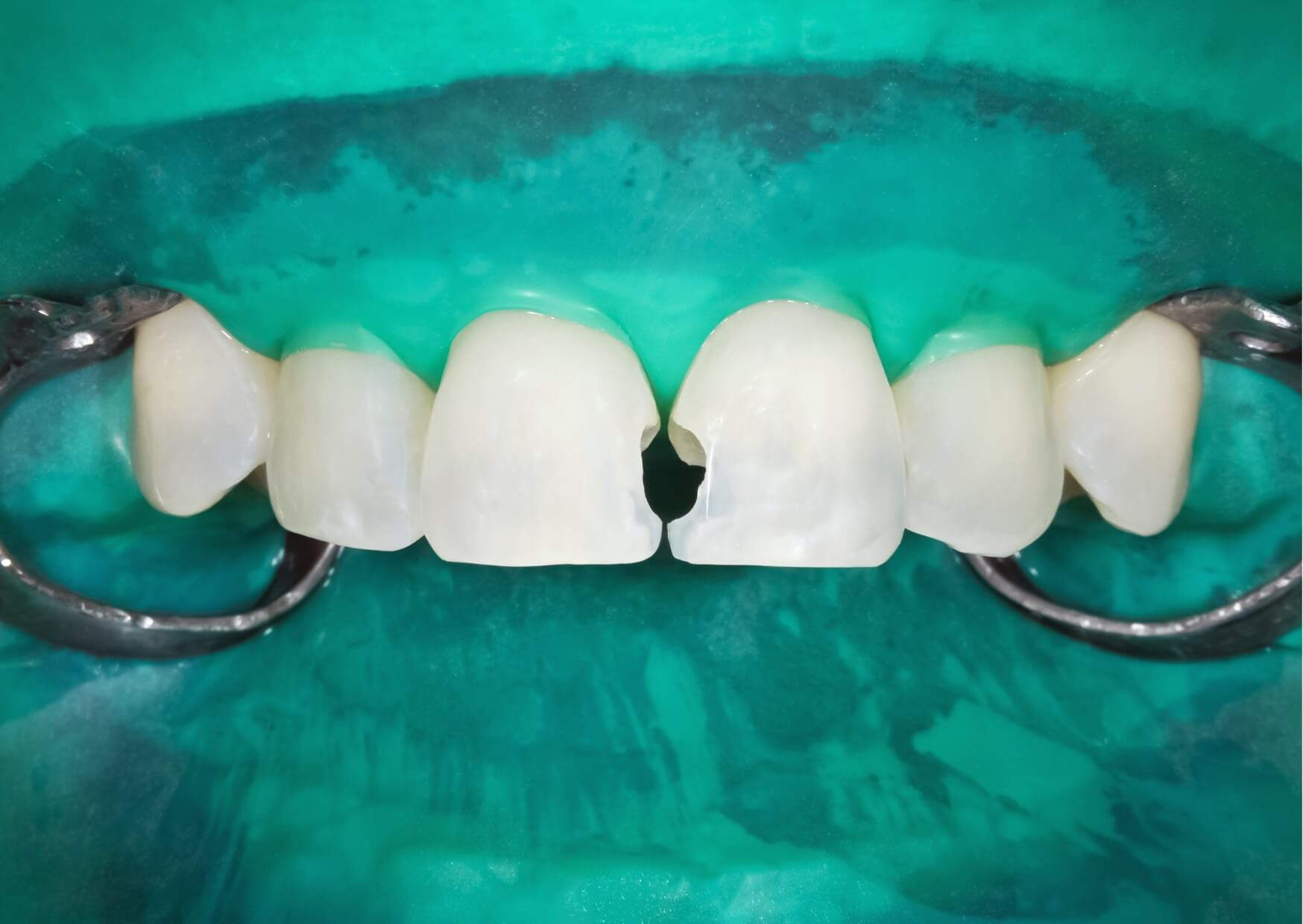
A cracked tooth is not always easy to see. Sometimes it looks like a thin vertical line on the tooth, similar to a hairline crack in glass. In other cases, the crack is hidden between the chewing points of a back tooth or extends below the gumline where you cannot see it.
Many people expect a cracked tooth to look obviously broken. In reality, a tooth can look almost normal and still have a meaningful crack, especially when the damage starts inside the tooth or is still small.
Elmtree Family Dental in Columbia, SC offers emergency care for sudden tooth pain and dental problems and can provide the prompt attention you may be looking for.
Some cracked teeth show a narrow line running up and down the enamel, which is the hard outer layer of the tooth. That line may look white, gray, brown, or only show up under certain lighting.
A deeper crack can make part of the tooth look uneven, chipped, or slightly separated. If the crack has been there for a while, it may collect stains and become easier to notice.
In more advanced cases, part of the tooth may move slightly when you bite. You may also notice swelling near the tooth if the crack has irritated the pulp or allowed bacteria to get inside.
The most important clue is often pain when biting. Many patients describe a sharp, brief pain when chewing, especially on hard foods, followed by relief when the pressure is released.
A cracked tooth can also cause sensitivity to cold, sweets, or temperature changes. The discomfort may come and go, which is one reason cracks are easy to miss.
If the crack reaches deeper into the tooth, the pain may become more constant. Some teeth also feel sore near the gumline or become uncomfortable to chew on.
There are several recognized types of cracks, and the type affects both symptoms and treatment.
Teeth can crack from biting hard foods, clenching, grinding, trauma, or large fillings that leave less natural tooth structure to absorb force. Back teeth are affected more often because they handle stronger chewing pressure.
Temperature extremes may also play a role over time. Very hot and very cold foods can stress a tooth, although that is usually not the only cause.
Grinding is a common reason cracks develop slowly. In many cases, the crack becomes painful only after it deepens enough to flex during chewing.
A dentist may use magnification, a bright exam light, and special instruments to inspect the tooth. Sometimes the crack is easier to see after the tooth is dried or highlighted with dye.
Bite tests are often helpful because they can show which part of the tooth is flexing and causing pain. Dental X-rays may help rule out other problems, but many cracks do not show clearly on standard X-rays.
Because of that, diagnosis often depends as much on symptoms as on appearance. A tooth that looks normal can still have a significant crack.
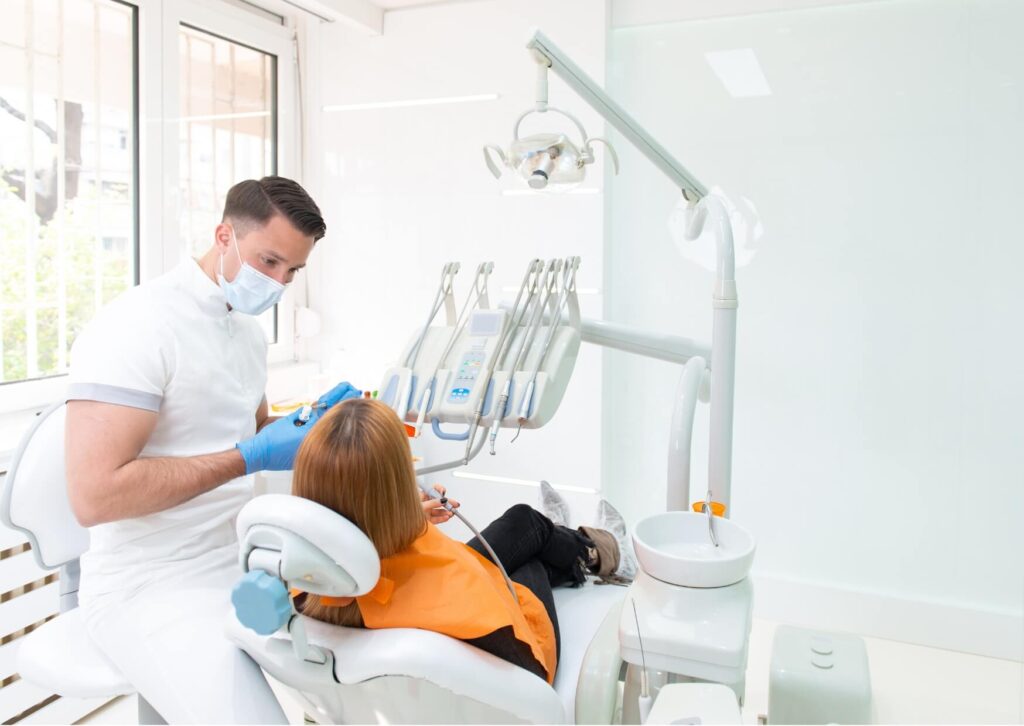
Small surface craze lines often do not need treatment. If a crack is causing symptoms but the tooth can still be protected, a dentist may recommend a crown to hold the tooth together and reduce movement during chewing.
For many patients, this means placing a dental crown restoration to strengthen the tooth and restore its shape.
If the crack has reached the pulp and caused inflammation or infection, root canal treatment may be needed before the tooth is restored. If the crack extends too far below the gumline or splits the tooth in a way that cannot be stabilized, extraction may be the safest option.
Patients who need an extraction often consider dental implants as a replacement option. The right treatment options depend on the exact crack pattern, so an exam is the best way to learn whether the tooth can be predictably saved.
Arrange a prompt dental visit or seek emergency care if you have pain when chewing that keeps returning, a tooth that suddenly feels sharp or unstable, or new sensitivity that does not settle. These symptoms do not always mean a crack, but they should be checked.
Seek urgent care sooner if there is swelling, severe pain, fever, or a bad taste from the gumline. Those signs can suggest infection or deeper damage inside the tooth.
It is also wise to have a tooth checked after a sports injury, a fall, or biting something unexpectedly hard, even if the damage seems minor at first.
Try to chew on the other side and avoid hard, crunchy, or sticky foods until the tooth is examined. Keep the area clean with normal brushing and flossing unless a dentist tells you otherwise.
Do not keep testing the tooth to see if it still hurts. Repeated pressure can worsen symptoms and may deepen an unstable crack.
If you grind your teeth at night, mention that during the visit. It can affect both the diagnosis and the long-term plan to protect the tooth.
Regular dental exams can help identify worn teeth, failing fillings, and bite patterns that place extra stress on teeth. A custom night guard may be recommended if you grind or clench.
Avoid chewing ice, popcorn kernels, hard candy, and other objects that put sudden force on enamel. Teeth with large fillings or prior root canal treatment may need extra protection because they can be more vulnerable to fracture.
If a tooth feels off when you bite, do not wait for obvious damage. Early evaluation often gives you the best chance of treating a crack before it becomes a split.
If you suspect a crack, the safest next step is a dental exam rather than waiting too long. Early diagnosis often makes treatment simpler and improves the chance of keeping the tooth.
If you're experiencing biting pain, swelling, or sudden tooth instability, Elmtree Family Dental in Columbia, SC offers emergency care and also serves nearby West Columbia and Cayce; call (803) 783-9900 to schedule.
Yes. Many cracks are too fine, too deep, or too far below the gumline to see without a dental exam. Symptoms like pain when biting may be more noticeable than the crack itself.
No. Some cracks cause no symptoms at first. Others hurt only when chewing, drinking something cold, or releasing bite pressure.
Not always. Some stained lines are harmless craze lines, while others may be a deeper fracture. If the tooth is sensitive or painful, it should be checked.
No. Teeth do not heal cracks the way skin or bone can heal. Early treatment may help keep the crack from getting worse.
If the line is new, the tooth is painful, or the area feels different when you bite, yes. Even a small visible line can be harmless or significant, and the difference is not always clear without an exam.

| Monday | 8:00 AM – 5:00 PM |
| Tuesday | 8:00 AM – 5:00 PM |
| Wednesday | 8:00 AM – 5:00 PM |
| Thursday | 8:00 AM – 5:00 PM |
| Friday | Closed |
| Saturday | Closed |
| Sunday | Closed |