Affordable dental implants in Columbia, SC, are usually found by comparing the full treatment cost, not just the advertised starting price. Ask for a written estimate that includes the implant, abutment, dental crowns, imaging, and any needed preparatory care so you can judge the real value.
If missing teeth, trouble chewing, or denture instability are making daily life harder, dental implants may offer a durable, natural-feeling solution tailored to your needs. Elmtree Family Dental in Columbia, SC explains implant options, expected costs, and financing so you can compare care that balances longevity and affordability.
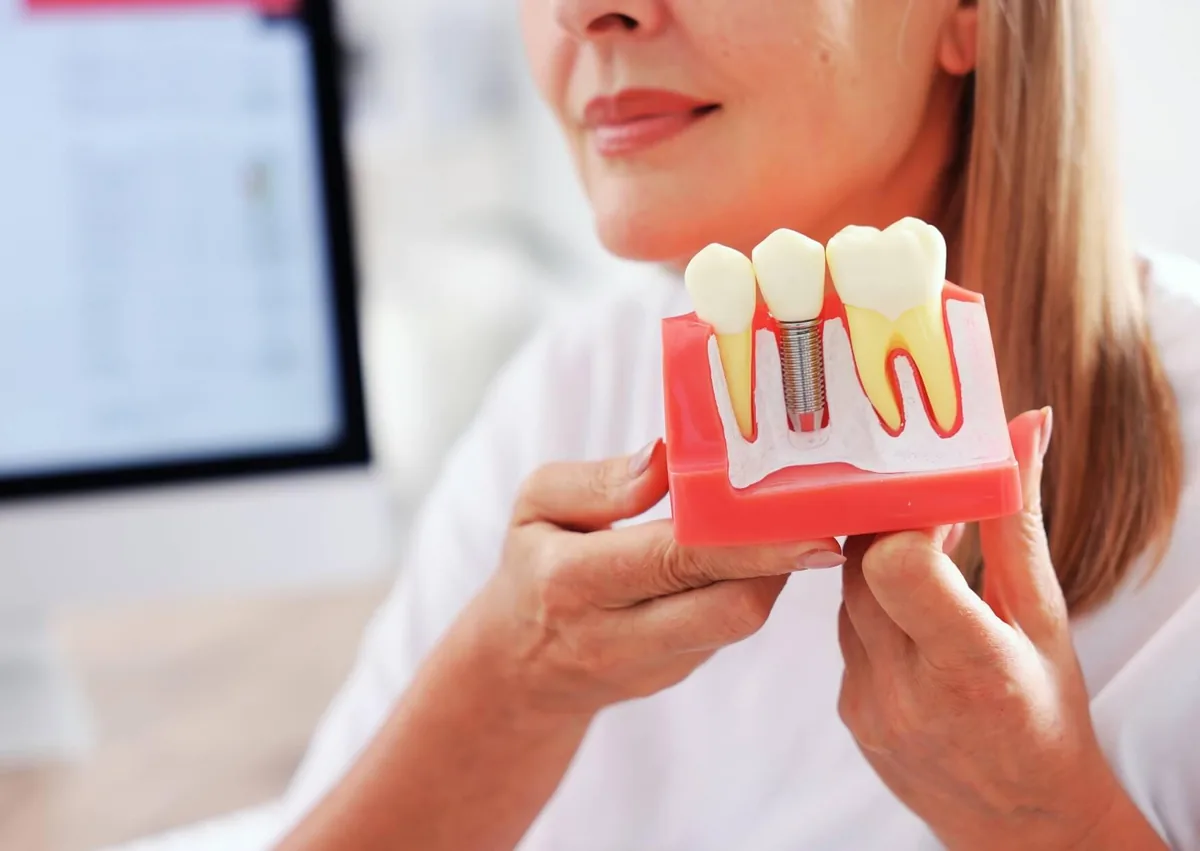
A dental implant replaces a missing tooth root with a titanium or ceramic post placed in the jawbone. After the implant heals and bonds with the bone, an abutment connects it to a crown, bridge, or denture.
The total fee may include the exam, X-rays or 3D imaging, implant placement, follow-up visits, the abutment, and the final restoration. Some offices quote only the implant post, which can make the price look lower than the true cost of completed treatment.
Reviewing basic implant components can help you compare estimates more accurately. Ask whether the quote also includes tooth extractions, sedation, temporary teeth, bone grafting, and treatment for gum disease.
A complete written treatment estimate is the best way to compare offices fairly. It should show what is included now, what may be needed later, and what could change the final cost.
Cost depends on how many teeth need to be replaced and what type of restoration you need. A single implant and crown costs less than a full-arch case, but every plan should be based on bone support, bite forces, and long-term function.
The condition of your gums and jawbone also matters. Bone loss may require grafting before or during implant placement, and some upper back-tooth cases need a sinus lift to create enough support.
Fees can also vary based on imaging, sedation, materials, and whether more than one clinician is involved. A more complex case may take longer and require additional visits, which can increase the total cost.
Smoking, active gum disease, untreated decay, teeth grinding, and some medical conditions can affect healing. Your dentist should review your health history and medications before recommending implants.
Implants often cost more upfront than removable dentures or traditional bridges. However, they may offer better stability and may avoid placing the same kind of load on neighboring teeth as a conventional bridge.
The best value depends on comfort, cleaning needs, durability, and future maintenance. A lower-cost option can become more expensive over time if it is hard to maintain or likely to need frequent repair.
|
Option |
Typical Use |
Main Consideration |
|---|---|---|
|
Single implant and crown |
One missing tooth |
Preserves neighboring teeth but requires surgery and healing |
|
Implant-supported bridge |
Several adjacent missing teeth |
Uses fewer implants than one per tooth in selected cases |
|
Implant-retained denture |
Multiple or all missing teeth |
Improves denture stability but remains removable in many designs |
|
Fixed full-arch restoration |
Most or all teeth in an arch |
Usually the most complex and costly option |
|
Traditional bridge |
One or more missing teeth |
Faster in some cases but requires support from nearby teeth |
|
Removable denture |
Several or all missing teeth |
Lower initial cost but may move and contribute to bone loss over time |
Dental insurance may help with parts of treatment even when implant placement itself is not fully covered. Some plans contribute to the crown, extraction, or other related services.
Before treatment, check the annual maximum, deductible, waiting periods, missing-tooth clauses, and preauthorization rules. These details can affect what you actually pay.
Health savings accounts and flexible spending accounts may be used for eligible implant expenses. Some offices also offer payment plans or third-party financing, but it is smart to compare interest rates, fees, and deferred-interest terms.
In some cases, treatment can be staged to spread out costs. That should still follow a sound clinical plan so needed infection control or preparation is not delayed.
Be cautious with unusually low package prices. Ask about the implant system used, the quality of the lab materials, follow-up care, and how complications or remakes are handled.
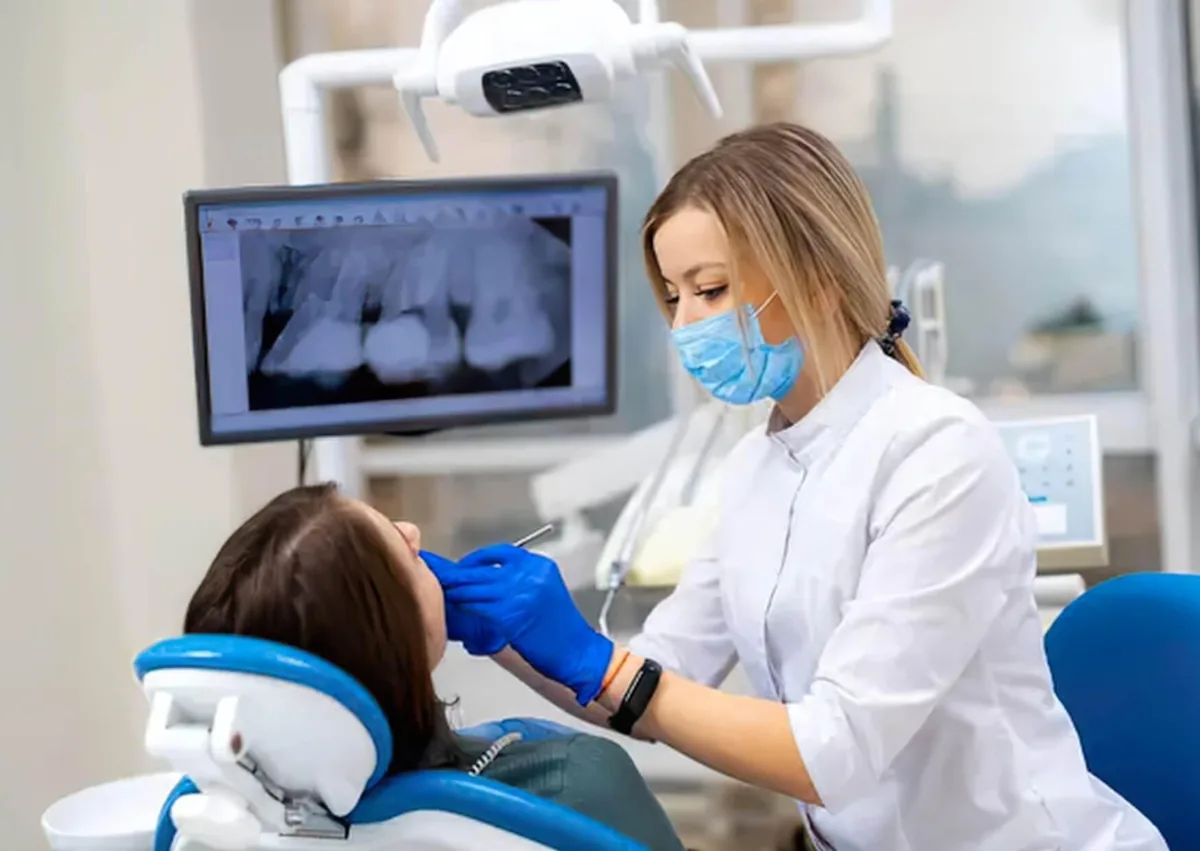
The first step is an exam and imaging to evaluate bone volume, nearby roots, nerves, and sinus spaces. This helps determine whether an implant is appropriate and whether any preparatory treatment is needed.
Implant placement is usually done with local anesthesia. Sedation may be available in some cases, but it is often billed separately.
After placement, the implant usually heals for several months while the bone bonds to its surface. This process is called osseointegration.
Some patients can receive a temporary tooth during healing, but immediate loading is not right for every case. The final crown, bridge, or denture is placed after healing and stability are confirmed.
Mild soreness, swelling, bruising, and light bleeding can happen after surgery. These symptoms should generally improve as healing progresses.
Implants do not get cavities, but the gum and bone around them can still become inflamed. Daily brushing, cleaning between or under the restoration, and regular professional maintenance help lower the risk of peri-implant disease.
Avoiding tobacco and managing conditions such as diabetes may support better healing and long-term stability. If you clench or grind your teeth, your dentist may recommend a nightguard to reduce excess force.
Keep follow-up visits even if the implant feels fine. Early loosening, inflammation, bite problems, or wear are often easier and less costly to manage when found early.
Published evidence on implant survival also shows that complications can affect long-term outcomes. Good maintenance is part of what makes implants a better long-term value.
Schedule a dental evaluation if you have a missing tooth, a loose tooth, pain when chewing, or a tooth that may not be restorable. Bleeding gums, swelling, drainage, bad taste, or denture instability also deserve prompt assessment before an implant plan is made.
After implant treatment, contact the treating office if you have worsening pain, increasing swelling, continued bleeding, fever, pus, numbness that persists or worsens, or a loose implant or restoration.
Review common warning signs and seek urgent medical care for trouble breathing or swallowing, rapidly spreading facial or neck swelling, severe uncontrolled bleeding, or other signs of a serious reaction.
An in-person exam is the only way to confirm whether dental implants are a good option and what they will cost in your case. Comparing itemized treatment plans can help you find affordability without sacrificing safety or long-term function.
Talk with a clinician to get an itemized estimate, explore staged care or All-on-4 implants, and identify the most cost-effective plan for your mouth. Elmtree Family Dental handles dental implants in Columbia, SC and nearby Forest Acres, SC; call (803) 783-9900 or book an appointment today.
There is no single set fee because a completed tooth replacement may include imaging, the implant post, an abutment, and a crown, plus possible extraction or grafting. Ask for an itemized local estimate instead of relying on a starting price alone.
Some plans help pay for implant-related care, while others exclude the implant but contribute to the crown, extraction, or an alternative treatment. Coverage depends on your plan's annual limit, waiting periods, and missing-tooth rules.
Possibly. Mild to moderate bone loss may be managed with grafting, while more severe loss may require additional procedures or a different restoration.
Imaging and an in-person exam are needed to decide which option is realistic and safe.
A lower price does not always mean lower quality, but the treatment should still include proper diagnosis, sterile surgical care, reliable components, qualified clinicians, and follow-up. Very low prices should be reviewed carefully for exclusions and limited complication coverage.
Implants can function for many years, but longevity depends on oral hygiene, gum and bone health, smoking, medical conditions, bite forces, and regular maintenance. The crown, bridge, attachment, or denture may need repair or replacement before the implant itself does.
| Monday | 8:00 AM – 5:00 PM |
| Tuesday | 8:00 AM – 5:00 PM |
| Wednesday | 8:00 AM – 5:00 PM |
| Thursday | 8:00 AM – 5:00 PM |
| Friday | Closed |
| Saturday | Closed |
| Sunday | Closed |